Yup, you heard that right. MY copyright license. It sounds really fancy and like I did a lot to get it, but I didn’t (lol). And that’s the beauty of the simplicity of copyright.
…so, what is copyright? Copyright protection is automatic when a work is created. Even your napkin doodles at your favorite restaurant! There’s no need to register the work. A Creative Commons copyright waiver, or CC0, is one of the choices available to creators that enables the communication of their wish to make their work publicly available. Creative Commons licenses are an excellent means for authors to express their desires regarding their works (unrestricted access, restricted access, commercial-only use, vice versa, etc).
The CC0 I chose is called ‘ CC BY-NC-SA 4.0 .’ In digestible terms, here’s what that means:
Anyone using my work must include proper attribution.
Others can not use my work for commercial purposes.
Others can remix, adapt, or build upon my work.
Others must use the same CC license if they adapt my work.
Yippee!
I’m really hungry while writing this post, so now you have to be too. Plus this is just pretty. Your’e welcome. Photo by Amar Preciado from pexels.com.
So what?
Why care about copyright? The point of copyright isn’t to halt all creativity and collaboration. Using the creative works of others ethically involves respecting the rights of the original creators while also fostering creativity and inspiration. If you’ve ever created anything in your life, perhaps you can empathize with the feeling of if someone used your creation without your permission first when you would’ve preferred if they had asked beforehand. This is the same idea behind copyright. We have the wonderful vehicle of the web to be able to share creations with millions of people all over the world, so it is important for creators to have control of how their works are used among the masses.
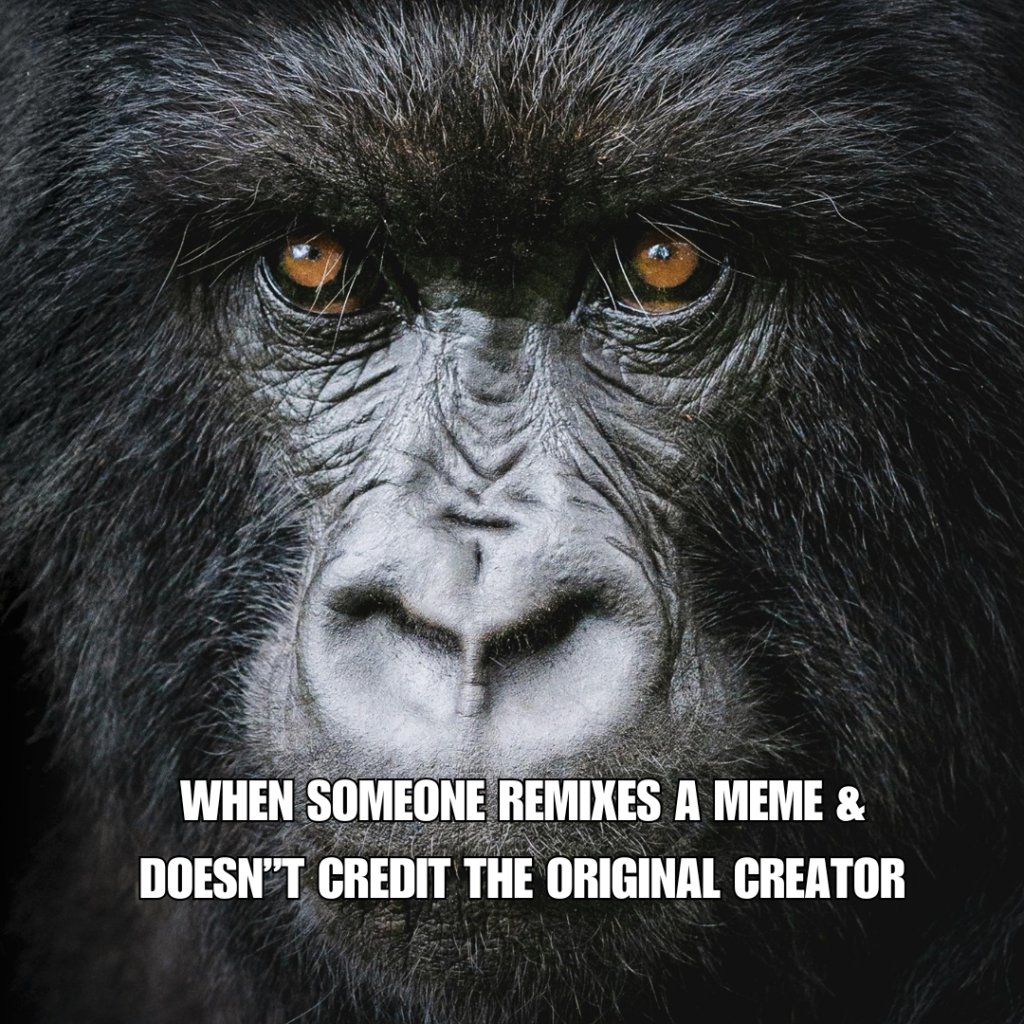
Meme remix by me. Photo by Florian Kriechbaumer from pexels.com.
The favicon, or simply the site icon is the smaller icon which appears in a browser tab. This can be used to quickly identify different sites if you are unable to see the full name. This is especially useful if your computer frequently has dozens of tabs open, like mine does. I chose to make the site’s favicon a simple abbreviation of the name “Christian Speaks.” I believe that overcomplicated logos can dilute the purpose of the image or just be too cluttered.
Site Header
“Christian Speaks” site logo designed by me, using Vectr.
The site header is what greets new visitors to the site at the top of every page. For this, I decided to full expand the “CS” logo of the sites favicon. Therefore, I fully wrote out the words “CHRISTIAN SPEAKS.” I think that having the full name of the site spelled out is important and has a complimentary color scheme with the favicon. I added shadows and a border to the text along with utilizing the same gradient that was used to create the favicon.
The Black and the Red
I chose to create a black and red gradient color scheme using Vectr. I chose these colors as they remind me of the football team the Tampa Bay Buccaneers. I am a big fan of the Buccaneers, particularly their color scheme and use of pirate imagery and livery. I took inspiration from the color scheme and decided to utilize it for my site favicon and header. It was important that the site had a consistent aesthetic and retained the same color scheme throughout. I decided to go with simple text due to skill limitations with graphic design software, as well as a desire to avoid over complication or clutter. I also found Vectr to be limited with the shapes and icons available in the free version. Therefore, I found that utilizing simple text was an effective way to get the message across that I wanted to send (what site you’re on) and to have an aesthetic that I liked. I used JPEG images for both the favicon and the site header. I chose this as it was one of the only image types allowed to be downloaded on the free version of Vectr. I made sure to size the images correctly before exporting so they would not be blurry or have to be modified once uploaded to my site.
The whole concept of identity is based on an individual’s quest to answer this exact question – “Who Am I?” As a Psychology major, I can give you in depth analyses of how a person’s identity is created, formed, manipulated or sustained, nurtured or hindered, throughout the course of their entire lifetime, up until the very moment they leave this life. But the “how’s” and “when’s” involved in the process of developing this sense of identity is only half of the equation to solving the mystery of “who we are.” In order to see the bigger, fuller, more complete picture of “identity”, we have to also understand the “why.” Why is our identity important and what can we do to protect it at its core?
On-screen
Isn’t it true that you can be anything you want to be when you grow up…well, online at least. There’s a level of anonymity that exists in what we see, and what we post, on the internet. It’s one reason why we encounter so-called “trolls” online and why it is so important to fact check everything you read on your favourite sites. It is easy to share misinformation about news and even about oneself from behind the saftey net of a digital device. From social media platforms to online news outlets, dating sites to open-source collaboration projects, we will inevitably run into someone who purports to be something they are not; sometimes going as far as impersonating another person entirely and using that person’s images, personal details, and geographical location as their own. While some people use this freedom of internet anonymitity and identitiy shielding to enact harm or abuse on others, the majority of false personas we encounter online are created because the real person sitting behind the screen is unhappy or dissatified with their true self. This lack of confidence creates a negative space in a person’s online presence which, thanks to the open internet, is easy to fill with ficticious information or stollen identities. In this form, a person truly can become anything they want to be.
The Value of Identity
The formation of identity is dependent on multiple factors, but there are three tenants that stand out the most when talking about a healthy sense of self and true identity: potential, purpose, and possibilities. Potential refers to the process of exploring and cultivating our personal strengths, a process that requires us to try out many different activities and experiment with different roles, behaviours, and talents. Purpose is all about defining what it is we want to accomplish in life. Pursuing a purpose that aligns with your potential is the crux of a leading a happy, fulfilling life. Possibilities refers to the act of consistently seeking opportunities to implement and refine your potential and purpose. Discovering, defining, and refining these key aspects of developing our true identity is a life-long process that requires effort and flexibility. Internet identity fluidity can make this process less traumatic for most people.
In this TedxTalk, Emma Gannon illustrates how we all have different parts of ourselves – the part we show our parents or grandparents, the part we allow our partner or significant other to see, the part we let loose at parties, and so forth, but also the part of us we present in our digital lives, which she explains is really just a watered down, curreated version of ourselves, modified by our brain’s natural reward system seeking the dopamine rush of likes and shares. She emphasizes that while we need to acknowledge and nurture all the different parts of ourselves, it’s important to remember that these are just parts of what make us who we are, and no one part should be viewed or presented as a full and complete representation of ourselves. The only way to discover and cultivate an authentic sense of self and identity is through real life interactions where we have the opportunity to explore and develop ourselves in relation to the world around us.
Real sense of community using a false identity?
For those who suffer from low self-esteem or have a poor self image, it is easy to feel the need to create a better version of oneself in a digital environment. While this may seem trivial to those who have never experienced these kinds of insecurities, for others, the ability to explore, experiment, and reconstruct different aspects of their personality can serve as an integral part of building a firm foundation for identity development.
In-Person
But how does our online identity relate to our real-world one? Does the role we portray online accurately represent who we are to the people we interact with in person? I believe that even in cases where an online persona appears to be radically different from a person’s personality in the real world, there are always subtle cues that connect the two. In this way, we’re able to decificer if who we are today in all the different arenas of life aligns with who we want to be collectively. By discovering and nurturing the areas that overlap in each of our separate parts of self (ie online, in person, at work, at home, etc.), we can cultivate a fulfilling life and become the person we were always intended to become – a person we can be proud of.
So….Who Am I Then?
After delving into the psychological implications of maintaining an alter version of oneself online, it made me ponder this age-old question, probably far deeper than this assignment required. But I think it’s important to think about the things that make me, me. One thing that overlaps in my online and in-person personas is the tendency to be a bit “extra”; I just don’t believe in doing anything half- if I can help it, and especially is it involves something I care about. And helping others is at the core of who I am regardless of whether you find me online or on campus. So it became clear to me, while researching more about online identity for this assignment, how important it is to be a person of integrity and positive influence in the digital world that I’m a part of. And because of this, I will be systematically going through each one of my online identities and anything else tied to my name or to any part of “real life me” and ensure that the Kim you encounter online is an accurate representation of who I am, and who I am working towards becoming in real life. I am still a work in progress, as evident by my many short-comings and perpetual lateness, however it is important to me to present an authentic account of my journey to self-actualization as it unfolds because it might help someone on their own path of self-discovery and enlightenment….or maybe it won’t. Who knows? That’s the beauty of it all, really. There’s no way of knowing how many lives we impact as we journey through this life, but if I have an impact on any one’s life, I want to make sure it’s a positive one.
Be Brave Beautiful
There’s a lot tied into the name I chose for this domain; and it took a lot of contemplation to finally arrive at, which is ironic as I eventually went with a more affirmative version the tagline of my old wordpress blog! I suppose it’s based in the underlying desire to leave a legacy of hope and positive change once I’m gone. “Be Brave Beautiful” is an affirmation that I repeat to myself before I walk into a Mary Kay event or lead a skin care class, or really anytime I put on that Mary Kay persona because I don’t see myself as brave nor beautiful. But my dream is help others see that in themselves – to show the world that bravery and beauty doesn’t always mean perfect and pretty. It’s about honesty, integrity, empathy, and authenticity. I know I’m heading in the right direction, though I don’t know where it will lead me to. I just have to trust the process and keep believing that there’s a better future for me and my son as long as I keep striving to be the best version of me I can be. And maybe I’ll inspire hope in someone’s life along the way. So stay tuned – I have a feeling it’s going to be an beautiful adventure!
I chose to use the CC BY-ND 4.0 license (i.e. Creative Commons Attribution-NoDerivatives 4.0 International). This license essentially states that an individual can redistribute my work, whether for commercial or non-commercial usage, so long as it remains unchanged and credit is given to me. I chose this license because I feel that everyone should have access to digital work, but obviously while giving credit. For me it was important that people had the ability to use my work, but I didn’t like the idea of it being changed, while still giving credit to me.
Using Other’s Work Ethically
Image by Markus Winkler. Found on Unsplash. Unsplash Image
Every creator of information has the right to determine how their work (i.e. intellectual property (IP)) may be used by others. The default protection is ‘All Rights Reserved.’ This type of protection means that one must ask before using the work. Owners can require attribution for their work or charge for a license. Ethically, regardless of copyright licensure, one should provide attribution for any work used. One type of work that should never be used is that that is protected in the form of watermarks or low resolution without payment. Any use of this work is considered unethical, as the owner obviously does not want it to be used. That being said, there are ethical ways to use someone’s work without having to credit the creator; public domain, creator’s choice, and fair use. Work in the public domain is work that is not protected by copyright for a number of reasons: expiration of copyright, the creator waived their rights, or the work is not eligible for protection. Creator’s choice speaks on the idea of those that waived their rights to protection. Fair use allows use of copyrighted work without permission of the creator. This one is a little iffy, as there are certain stipulations to what is considered as fair use. Some examples of fair use include parody, teaching, criticism, and more. Before using any kind of work, it is critical to ensure what copyright is being used, whether it be ‘All Rights Reserved’ or a specific license from Creative Commons. Copyright licenses are typically evident where the work is presented and can easily be researched to understand how one can use this work ethically. Overall, the best way to ensure ethical use of work is to determine what copyright is being used and what exactly the creator requires for their work, based on this licensure.
I’m kind of partial to the 1980s. It fostered many great things. The 80s brought forth MTv, Microsoft Windows, DNA fingerprinting, artificial human heart, .org, and me. Being an 80s baby, I only found it befitting that I choose a domain that corresponds to the decade of my birth. In January 1985 (not quite the year, but the month of my birth) the .org was invented. It stands for ‘organization’ and was originally intended for the organizations that didn’t fit anywhere else (kind of how I feel on a daily basis). It was commonly used by communities and non-profits; however, it can be used by anyone. For more on the history of .org, Wikipedia is a great source of information.
Who is Danaja?
More than just a name…
So, you may be wondering, who named me, my mother or my father? Neither. I named myself… at least on the web I did. I feel a pseudonym fits my personality better, as I am more of an introvert. As for my age, I don’t mind giving a rough estimate. I feel age is not determining factor as to whether or not I get to know someone. But again, because of privacy reasons, I don’t want to give too much information. So, Danaja, do you have any hobbies? Of course, I do. I love writing poetry, meditating (when I take the time out to do so), knitting and traveling. However, there are two hobbies at the top of my list: paper quilling and hiking.
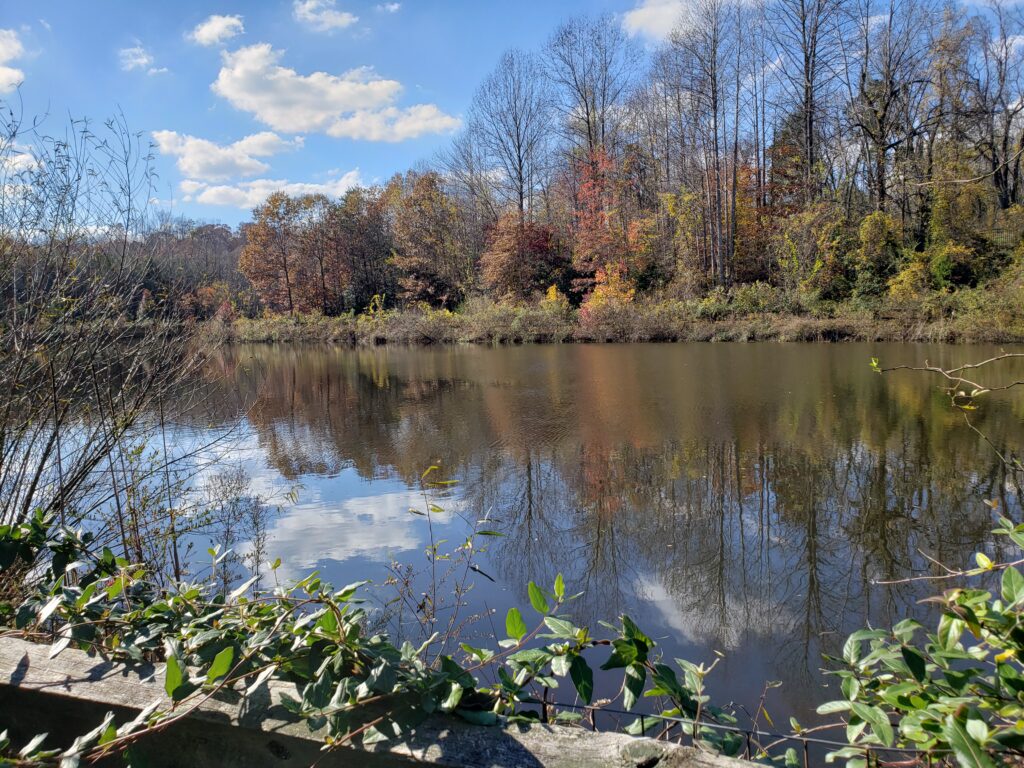
Go where the path takes you.
The picture above is from one of my many hikes that I would take solo. This is a park around the corner from my mother and father’s house in Stafford. There are a few paths to hike, as well as a soccer field to practice my grounding. I found hiking here beneficial to my detox time because it gave me a chance to observe nature and not ‘mind’ anything. Letting go of random thoughts and observing creation is a reset button for my mental health.
What is paper quilling?
Paper quilling involves rolling strips of paper in a quill. Once rolled, you use your fingers to fold and manipulate the paper into different shapes. The paper is then taped to a different medium to form a bigger shape. You can use it to turn cards, boxes, giftbags, and picture frames into 3-D art. This craft is easy for beginners and can be mastered in a matter of a few hours. I learned about this hobby through a friend that use to quill daily. Unfortunately, she developed CRPS (Complex Regional Pain Syndrome) and no longer has the full use of one of her arms. So now, I do it in her honor. If you want to know more about paper quilling, The Spruce Crafts website has lots of information and pictures on paper quilling.
I chose racheloestrike.com as my domain name because I wanted it to be something that I could use after this class and possibly after college. Since it is just my name, I can use it for anything I need, and the domain name isn’t specific to anything in particular.
Everything posted publicly online can be viewed by anyone at anytime. It’s important to take into consideration who will see your post when posting things online. Future employers will be able to see all of your social media and what you have posted online. To read more about the importance of online identities click this link to The New Yorker.
My life on the Web
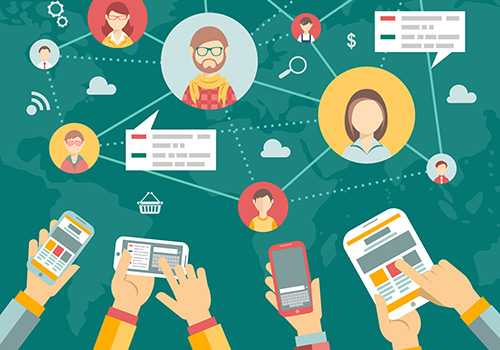
One benefit of the web is being able to communicate with people who live all over the world. Through the web I have met lots of people with similar interest to me. For example, through discord I joined a book club and met lots of people who enjoy reading just as much as me. These friends live all over the world and only know me through my online identity.
Domains
The Importance of Domains
Domains allow people to make their content easy to access and view. It allows people to search someones content with a specific phrase. It also allows people to make digital content online for others to see.
Why?
For my domain I chose to just use my name Claire Quinn because it is simple and I can use it for several things. It broad and I can add more specific subdomains to it overtime. For my subdomain I chose “Claire’s Blog” because it is specific to this class and make it easy to identify.
Our Contributions to the Web and Domain of One’s Own
There are lots of different aspects of the internet, as well as different roles that are simultaneously and continuously played by everyone. However, who I am on the web? What roles do I play? As I’ve endured the journey into my Digital Studies 101 class, I’ve come to know tons of different aspects to the internet, and why they’re all important. For example, I’ve learned how crucial it is to have access to the “openness” of the internet, as well as accessibility. That being said, many individuals like myself take advantage of these – as consumers of curiosity, I’d imagine. To illustrate, when “surfing the web” to find the answers to our desperate questions: “Why does…” “How do…” “What is…” etc., being a questioning persona that has Google at their fingertips was my main answer when reflecting on the question, “Who am I on the web?”. However, after deeply considering the question further, I found that my role is much more meaningful, even more so now that I have access to Domain of One’s Own. For example, a large majority of us post thoughts or portrayals of our lives through the internet – think Instagram, YouTube, X (Twitter), TikTok, even Reddit. These small pieces of information feed the internet to grow and expand further than it was a half-second ago, even your favorite memes help construct the internet. Furthermore, whenever “liking” or “sharing” other’s additions to the internet, you’re also helping shape the internet. This also takes place in checking up on your favorite websites – like Reddit or YouTube! What may seem like a small, insignificant “click” on your part, actually plays a monumental role in deeply articulating what the internet is composed of. With that being said, having access to Domain of One’s Own (thanks to UMW and my professor/DGST101 class) I can now continue my normal role as a, “consumer of curiosity” on my own unique platform and digital profile that is unapologetically myself – allowing me to further expand the internet in a creative, and architectural way! You can learn more about Domain of One’s Own, or DoOO on the Indie Web Camp website.
Therefore, on the web, we are not only “curious consumers”, but we also methodically shape and compose the internet’s elements, by clicking on our favorite websites, sharing our favorite memes, trends and thoughts – much like this page, which leads me to my next topic.
Why “Summer’s thoughts?”
Reflecting on the Name of My Domain – And How It Shows Who I Am on the Web
When choosing a domain name for my platform, I took a lot of my aforementioned information into consideration. Who am I on the web, and what am I contributing? Of course, much of the internet is fishing between fact and fiction. Which ironically, was the main topic of last week’s unit in my DGST 101 course. That being said, I wished to be more upfront and clear in this consideration. Thus, “Summer’s Thoughts” came to mind as a proper domain name. Much of my platform (I’m sure) will be my perspective and take on a variety of topics, which can and will contain facts (as the addition of outside sources always makes for a better read for both my educational instructors, and otherwise). However, much like this post, it may contain a lot of my personal opinions and outlook – or as some would call it, my thoughts. Thus, the title of this page is aptly called: “Summer’s DGST101 Thoughts”.
In the past I had never really thought about my web presence. Sure, you know that if you search your name your social media profiles will show up as being the most prominent. Maybe an old newspaper article from way back when. But you really don’t think about the actual digital foot print you make. Who am I? What do I do? Where do I live? What’s my phone number and my email address? I found out all of these things just by searching my name. When I was searching and finding all of these “interesting” pieces of information about myself, it really brought back conversations and lectures that I remember getting as a child. When you answer the telephone, never say you are home alone. Just say your parents are busy. Now with the ease of just typing my name into a search bar I was able to find out everything about my life. My husband, children, address, my employer, a little bit of everything all rolled up into one convenient stalking tool. In the past I had never really thought about my web presence. Sure, you know that if you search your name your social media profiles will show up as being the most prominent. Maybe an old newspaper article from way back when. But you really don’t think about the actual digital foot print you make. Who am I? What do I do? Where do I live? What’s my phone number and my email address? I found out all of these things just by searching my name. When I was searching and finding all of these “interesting” pieces of information about myself, it really brought back conversations and lectures that I remember getting as a child. When you answer the telephone, never say you are home alone. Just say your parents are busy. Now with the ease of just typing my name into a search bar I was able to find out everything about my life. My husband, children, address, my employer, a little bit of everything all rolled up into one convenient stalking tool. Finding yourself
To post or not to post..
How do you decide what you post and what you shouldn’t. In my current position with my employer I do a lot of interviewing and hiring. Although we don’t do this, there are many companies and agencies that use the internet to search their potential employees. They look at social media posts and photographs that have been posted. This information can be used to gauge a person’s honesty, maturity, and of course the “common-sense” factor. Can they use their good judgement to determine whether or not something should be put onto the internet where it will live forever? I grew up before social media what popular. All of the stupid mistakes that I made were not forever documented on the internet and social media. Now we all have to always think about what could be forever memorialized on the internet and could come back to haunt you.
Why fastorangecar?
Why I chose fastorangecar?
When my children both got older and it became just my husband and I doing things, we decided that it was not nearly as fun as it used to be. We didn’t need the bigger vehicle like our SUV every time we went out and it got very boring and redundant. This was something that we were never able to have before. When you have young children, your life is consumed by school, sports, groceries, and the mundane day to day things. When you raise your children and become “empty nesters” you deserve something as a reward. Our reward was our Mustang. The color was just a happy accident, but I can’t even tell you how many times we have gotten compliments since it is such an unusual color. This was just something fun to celebrate our new place in life. I love this car and we are really excited to be celebrating this new adventure in our life.
It is important to cultivate an online identity that represents one’s best self. As explained by LinkedIn, some users take advantage of multiple tools and platforms to optimize their online presence and create a complete representation of themselves.
Who Am I On The Web
Multiple Identities
I think many people present different versions of themselves on the web depending on who their audience is, and I am no different. On school discussion boards, for example, I present myself as knowledgeable in a wide range of topics including economics, culture, and child development. I might be in the minority, however, in that I don’t particularly enjoy participating in social media and cultivating an online presence outside of school requirements.
Resistance is Futile
I was required to create a website four years ago as part of my Girl Scout Gold Award project, and send it out to hundreds of people. Although I was reluctant and it was uncomfortable, I quickly experienced the benefits of the website. For example, I linked it to internship applications when I was in high school. Also, anytime someone asked about my Gold Award I directed them to my website.
From this experience, I learned that even without a social media presence I can cultivate an online identity by selectively sharing only what is most important to me.
Website Goals
With this in mind, I’m excited to have this new website where I will continue to cultivate an online presence with intention and purpose.
What’s in a Name?
The domain name that I chose is simply my name. It is only eight characters, easy to read and pronounce, and will never change. The content on my website will help to build my digital identity, so it makes sense that my name is included in the domain name.


 .’ In digestible terms, here’s what that means: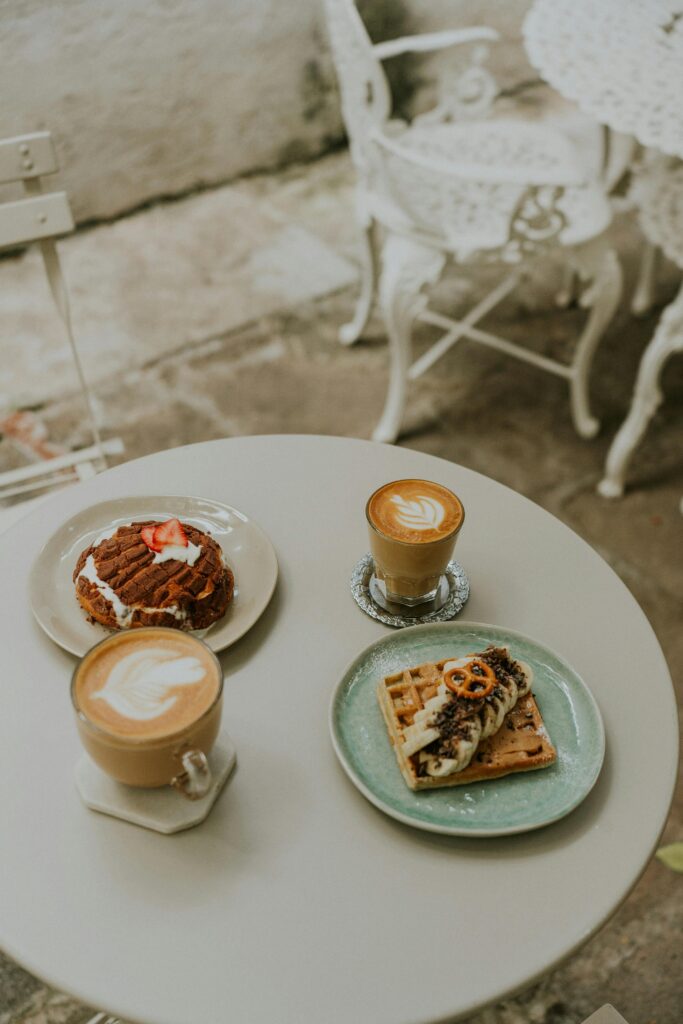






 Our reward was our Mustang. The color was just a happy accident, but I can’t even tell you how many times we have gotten compliments since it is such an unusual color. This was just something fun to celebrate our new place in life. I love this car and we are really excited to be celebrating this new adventure in our life.

