Podcast Outline & Recording

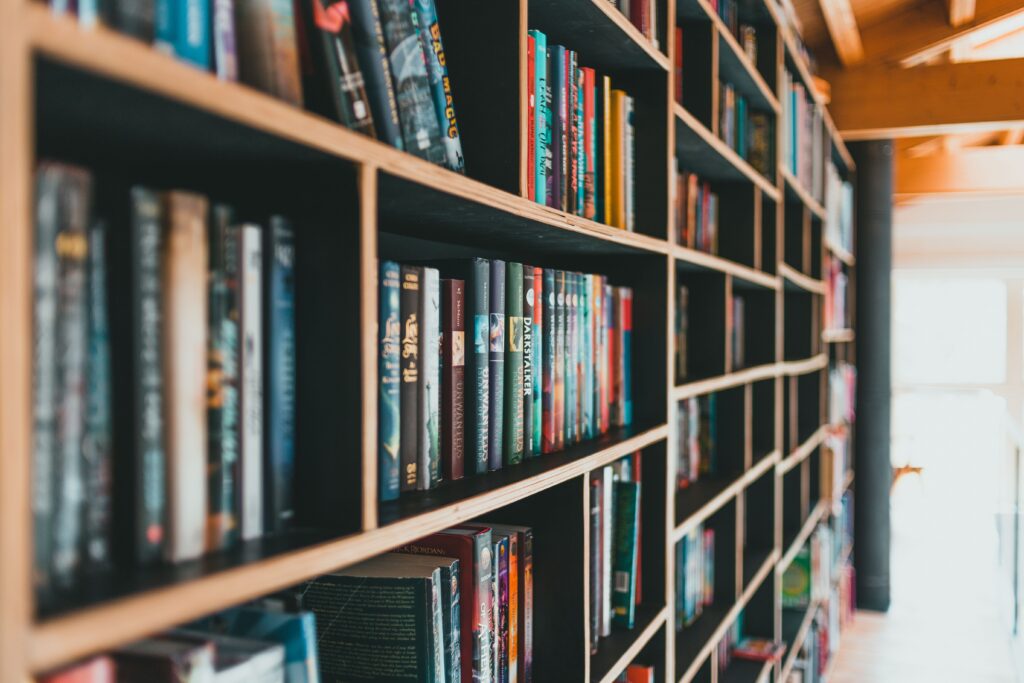
A photo of shelf filled with many different books
Photo by Erik Mclean from Pexels.com

Introduction

For this assignment I chose to talk about the importance of reading. I talked about why reading is a hobby anybody can enjoy. I also talked about which types of books I personally enjoy and why.

My Process and Equipment

For this project, I used my phone and downloaded a voice recorder app. I recorded my audio in my room since it provided a quiet place to work in. I recorded multiple takes until I was happy with how I spoke and the length of my audio. I didn’t use any background music or sound effects.

My Outline and Script

Audio Transcript
  1. Introduction(0:0-0:17) 

Hello, my name is Dena Subhi, and for this project, I wanted to talk about one of my favorite hobbies, which is reading. Since I was a kid, I have found reading to be a relaxing hobby that allows me to explore many different amazing stories.

  1. The benefits of reading (0:18-53)

 It’s also a great mentally stimulating activity. This is because reading allows you to explore new interests and learn about many different topics. One of my favorite things about reading is that there is almost always at least one book that somebody will enjoy. Whether you like science fiction, fantasy, comic books, or any other type of book, there will almost always be one you can really enjoy. While it can be difficult at times to figure out what types of books you will enjoy the most and which ones best suit your interests, once you figure it out, reading can become incredibly fun. 

  1. My favorite genres and books (0:54-1:40)

My favorite genres to read are murder mysteries and fantasy books because I find their stories to be exciting and that they often have really interesting characters. Some of my favorite fantasy series are Percy Jackson by Rick Riordan and Six of Crows by Leigh Bardugo. Some of my favorite murder mysteries are The Disappearance of Rachel Price and A Good Girl’s Guide to Murder, both by Holly Jackson. I like murder mysteries because I enjoy watching the main character try to figure out who the killer is before it’s too late. I enjoy fantasy because I have always loved learning about mythical worlds and the different adventures the characters have.

  1. Conclusion (1:41-2:00)

In conclusion, I think reading is an amazing hobby and that you should give reading a chance even if you don’t think you will like it because I’m sure you will be surprised and be able to find a book you love. Thank you for listening to my project.
Digital Studies Audio Project Folder

Literacy Trust Guide on The Benefits of Reading

Audio Storytelling – How Technology Has Changed Our Lives

About My Podcast

For this project, I decided to create a short podcast about how technology has changed our everyday lives. Technology is something we use almost every day, whether it’s for communication, education, work, or entertainment. As an applied physics student, I find technology interesting because it connects to many things I study in college. In my podcast, I talk about how technology has made our lives easier, especially when it comes to communication and education, while also discussing some of the challenges that come with it. My podcast is approximately 2 minutes and 8 seconds long.

Podcast Outline

I divided my podcast into different sections and added music and sound effects to make the recording more interesting.

  • 0:00–0:08: Intro music to introduce the podcast.
  • 0:08–0:33: Introduction about technology in everyday life.
  • 0:33–0:35: Phone notification sound effect.
  • 0:35–0:59: How technology has changed communication.
  • 0:59–1:02: Keyboard typing sound effect.
  • 1:02–1:47: How technology has affected education, work, and everyday life.
  • 1:47–1:59: Conclusion and final thoughts.
  • 1:59–2:08: Outro music to end the podcast.

Podcast Script

Introduction

Have you ever thought about how much technology has changed our lives? Think about it. The first thing many of us do when we wake up is check our phones. We use technology to communicate, study, work, and entertain ourselves. Today, I want to talk about how technology has changed our everyday lives and why it’s become so important.

Communication

One of the biggest changes is communication. Years ago, people depended on letters and landline phones. Today, we can text, make video calls, or connect with someone across the world in seconds. I think it’s amazing how technology allows us to stay connected with family and friends, even when they live far away.

Education and Technology

Technology has also changed education. As a college student studying applied physics, I use computers and different programs almost every day. For example, technology helps me analyze data, create graphs, and understand difficult concepts in physics. It has also made working from home and collaborating with people in different locations much easier. Technology makes everyday life more convenient. We can use GPS, shop online, and find information within seconds. But there are also challenges. Sometimes we spend too much time on our phones, and misinformation spreads quickly online. I believe it’s important to find a balance and use technology responsibly.

Conclusion

Finally, technology has made our lives easier and more connected. I’m excited to see how it continues to change our future.

Thanks for listening!

Recording and Editing Process

For my podcast, I wanted to make sure my voice was clear and easy to understand. I organized my recording into different sections to make editing easier. I also used music at the beginning and end to give the podcast a more complete feel. I added a phone notification sound before talking about communication and a keyboard typing sound before discussing education. I chose these effects because they connect to what I was talking about and help transition between the sections. For my recording, I used Razor X headphones, and I edited the audio using Cap cut and Audacity.

Music and Sound Effects Credits

Intro and Outro Music

Music by Mikhail Vereitinov from Pixabay.

Phone Notification Sound

Sound effect by Official Profile (universfield) from Pixabay.

Keyboard Typing Sound

Sound effect by freesound_community from Pixabay.

Audio used under the Pixabay Content License.

My Reflection

Working on this project helped me learn more about recording and editing audio. One thing I noticed was how important timing is, especially when trying to keep a podcast around two minutes long. I also learned how music and sound effects can make a recording more interesting without distracting listeners from the main message. This project gave me an opportunity to talk about something that connects to my major while practicing a new way of sharing information online.

Audio Recording

You can listen to my podcast and access my audio recordings using the link below.

Listen to My Podcast – OneDrive

Project 7 Checkpoint

Chronicling Somerset Beach

I really enjoyed this assignment. It helped me overcome my procrastination and start my Chronicling Somerset Beach podcast. I have been working on a research project for about 5 years. I’m researching a community that existed in King George County between 1896 and 1930. Today, only remnants on the landscape and a rich historical record in newspaper clippings, court cases, deed books, surveys, oral histories, and more remain. Episode 1 talks about “The Social Column”.

My script is below:

ON TODAY’S EPISODE OF CHRONICLING SOMERSET BEACH, I TALK ABOUT THE

SOCIAL COLUMN

TYPEWRITER

NEWSPAPER BOY

DC TRICKERS, WHO HAS BEEN QUITE SICK, IS IMPROVING.

MISS MARY WELCH RETURNED LAST SUNDAY TO WASHINGTON, WHERE SHE IS

ATTENDING SCHOOL

MISSES AUDREY AND DELLA MOTHERSAHEAD HAVE RETURNED TO BALTIMORE AFTER

SPENDING TWO WEEKS WITH THEIR PARENTS NEAR EDGEHILL.  THEY WERE

ACCOMPANIED BY THEIR SISTER, MISS ERCELL, WHO EXPECTS TO SECURE EMPLOYMENT

THERE.

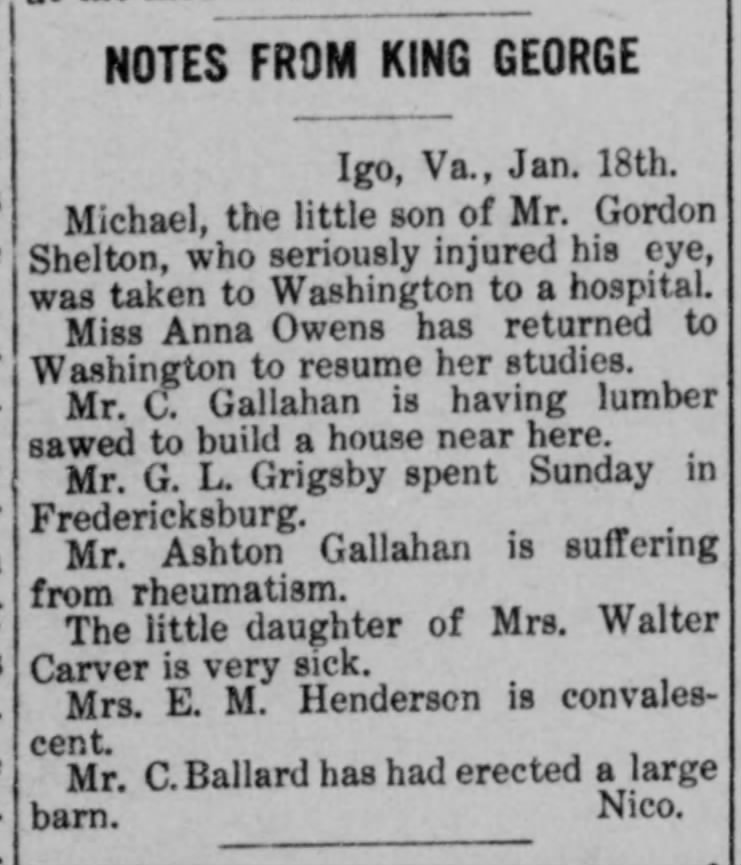
FROM NOTES FROM LOWER KING GEORGE SEPTEMBER 22, 1926

JANUARY 22, 1910 – NOTES FROM KING GEORGE

MICHAEL, THE LITTLE SON OF MR GORDON SHELTON, WHO SERIOUSLY INJURED HIS

EYE, WAS TAKEN TO WASHINGTON TO HOSPITAL.

MR C GALLAHAN IS HAVING LUMBER SAWN TO BUILD A HOUSE NEAR HERE

MR G L GRIGSBY SPENT SUNDAY IN FREDERICKSBURG

FEB 26 1908

MR AND MRS ALFRED WILLIAMS ARE ILL AT THEIR HOME NEAR PASSAPATANZY

MR AND MRS G W SHELTON AND SON MICHAEL VISITED FREDERICKSBURG TUESDAY ON

BUSINESS

SMALLPOX AND MUMPS ARE PREVALENT IN KING GEORGE

PAUSE

I THINK YOU GET THE IDEA

THE SOCIAL COLUMN WAS THE LATE 18TH AND EARLY 19TH CENTURY SOCIAL MEDIA

TUCKED IN BETWEEN THE ADS AND STEAMBOAT SCHEDULES, IN THE FREE LANCE STAR,

LIFE WAS DOCUMENTED; A HISTORICAL RECORD WAS CREATED. SOMEONE ELSE

POSTED IT, THOUGH. IT WAS PUBLIC, AND NOTHING GOT DELETED.

NEWSPAPER SOUND

TO A READER OF THE TIME PERIOD, IT WAS JUST FRIENDS KEEPING UP WITH FRIENDS.

TO SOMEONE LIKE ME RESEARCHING A LOST, FORGOTTEN COMMUNITY IN KING

GEORGE, IT HAS BECOME A REALLY IMPORTANT PART OF MY RESEARCH. I CAN SEE WHO

KNEW WHO, WHO VISITED THIS WEEK AND WHY, WHERE PEOPLE TRAVELED, WHEN

THEY RETURNED

TYPEWRITER SOUND

ROOM SOUND SILENCE

AND I’VE REALIZED SOMETHING: WE DON’T HAVE THAT ANYMORE. WHO STILL READS A

NEWSPAPER? THE FREE LANCE STAR STILL EXISTS, BUT ONLINE.

TODAYS DIGITAL SOCIAL COLUMN, IS PRIVATE, NOT PUBLIC. 

BACK THEN THESE SOCIAL COLUMNS WERE A SOURCE OF COMMUNITY.

TODAY PEOPLE CHANGE PLATFORMS, CHANGE USERNAMES, DELETE ACCOUNTS, AND

THE TRACES ARE GONE.   WE SHARE MORE INFORMATION ABOUT OURSELVES THAN

EVER, BUT THE CONNECTIONS WILL NOT BE VISIBLE TO SOMEONE 100 YEARS FROM NOW

THE RICHNESS FOUND IN THE HISTORICAL RECORD WILL BE A THING OF THE PAST.

SOUND – NEWSPAPER BOY

About the process

I found that making this in all caps and double-spaced made it easier to read. I made the first recording, and it was about 3 minutes. I went back, made some edits, and shortened the script slightly. I now know for sure that my space at home isn’t the best choice. Crows in the background and my cat scratching the door- not so good. Headed to the DKC for the final project. I am using my iPhone to make the recording. I used Google to find sound effects I thought would work well with the script. I have a newspaper being folded, a newspaper boy, and a typewriter. I tried to find a steamboat whistle but couldn’t find anything worth using. I considered asking AI to create a sound, but I didn’t go down that rabbit hole.

Link to Recordings

Podcast Outline & Recording

The Process

My topic for the audio project, I chose to focus on the benefits of weightlifting. As I think it’s something that is really important that goes under the radar for how much it benefits you. As well as the benefits overall are just very helpful for people.

Outline

Introduction 0-0:15

Many college students battle with overcoming the stress that college brings. From long hours studying and doing homework to having lengthy exams. All of this play a huge factor to the overall well-being of students. A way to combat this is weightlifting as not only do you get the physical benefits of getting in shape and building strength, but it reduces stress and builds confidence which can pay heavy dividends throughout college.

Physical Benefits 0:15-0:45

Weightlifting improves physicals such muscle strength and endurance. A regular routine of resistance/strength training with proper form can help improve fitness level and promote muscle development. Which in the long-term can make day-to-day activities easier and promotes overall health.

Mental Health Benefits 0:45-1:15

Weightlifting isn’t only for the body as exercise is scientifically proven to reduce stress, improve overall mood, and increase confidence. In addition, it provides a safe-space for people to get away from the world around them. Which during exam week, can be a great way to recuperate.

Habit Development 1:15-1:45

Weightlifting heavily promotes good habits from setting goals for new personal bests or living a healthier lifestyle to promote better lifts and performance. It also develops a sense of discipline, responsibility, and patience as finding a way to fit in some time even if it is just half an hour to go to the gym promotes these life skills that we use in everyday life.

Conclusion 1:45-2:00

Overall, weightlifting can do so much for the average student physically, mentally, and emotionally. Even beyond the campus, weightlifting offers all sorts of benefits to help both in short and long term and would be a great investment for all.

Recording Plan

I plan to record my narration in my room as it is a quiet area and using my Air pods for better mic quality. For the actual final product, I plan to incorporate sounds in my local gym that I go to for sound effects (these will be incorporated in the silence as a transition. I will use the Voice Memos app to record my narration and gym sound effects.

Recording Memo

This is my voice file where I recorded my script. I added some additional sentences that I didn’t write out to make it feel more natural. New Recording copy.m4a

Podcast Recording Update: Email Phishing

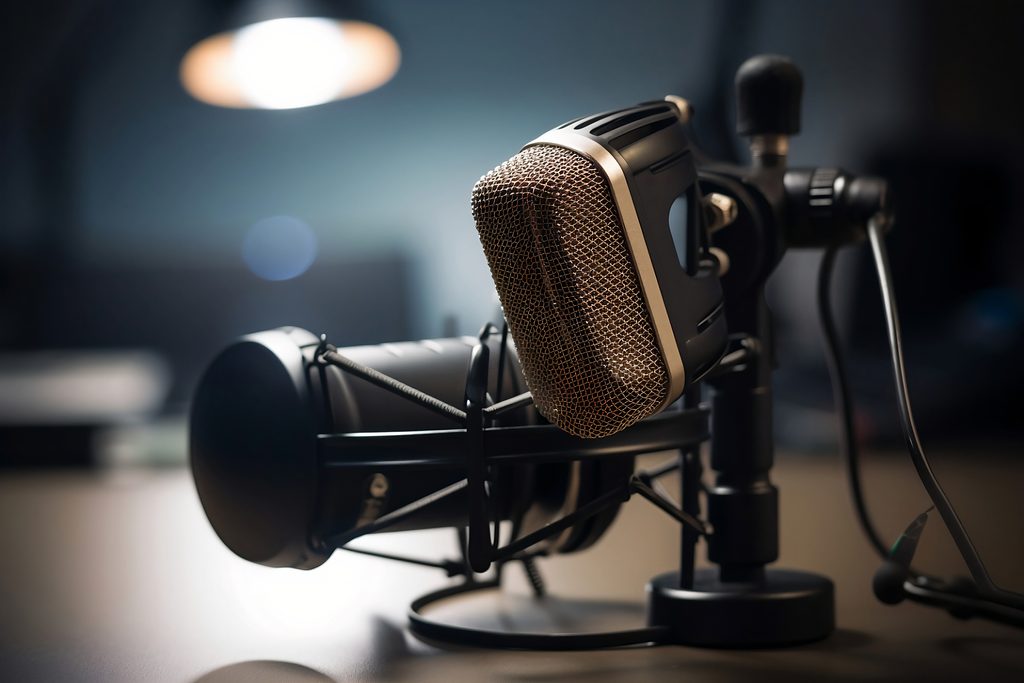
Professional microphone podcasting setup image
Podcast, Microphone, Music image. Free for use by Studio Iris via Pixabay

What is Email Phishing?

Email phishing is a form of cyberattack where scammers impersonate businesses, people, and organizations you trust. After impersonating, they typically send a link with some sort of emergency, hoping you click and enter in valuable information such as passwords and credit cards. Finally they steal and use or sell your sensitive information.

My plan.

Outline

0-15 seconds | Intro

  • Play podcast intro music for 10 seconds (Lofi Mellow Hip Hop Restaurant by Alex Morgan from Pixabay)
  • Fade music out
  • Introduction and welcoming listeners
  • Short explanation of what listeners will learn

15-35 seconds | What is Email Phishing?

  • Define email phishing for audience
  • Email phishing topic introduction, how it works

35-60 seconds | How does Email Phishing Work?

  • Introduce example email 
  • Urgency and emergency info
  • Site mimicking

60-100 seconds | How to Recognize and Defend Email Phishing?

  • Look for 3 key giveaways
  • Take a breath
  • Don’t click links

100-120 seconds

  • Wrap up
  • Music shoutout
  • Thank Listeners 
  • Sign off

Recording

So far, I have been recording on my airpods pro 3s in a very quiet room, also experimenting with AI that removes background noise to enhance the audio. So far everything has worked great and I am excited soon share the final product.

Check out my audio!

Click this Microsoft OneDrive link to listen in! (I promise it is not a phishing link 🙂

Sound Effects will also be added into the OneDrive Link!

Creating A Podcast (In Progress)

Topic Choice

For this podcast, I needed to think of something that I could talk about but for a short period of time. Because of another assignment, I was already concerned with trends that were caused by Covid. This led to the topic of increased reading through the trend #BookTok and what that means for the future.

Script Outline

Intro (0 -15)

  • (Intro music) Introduce myself
  • Acknowledging the upward trend in reading and its cause through Covid and #BookTok

Questions to Guest (transition noise – pages flipping) (16 – 1.40)

  • Guest Introduces themself
  • What made you want to get into reading?
  • Would you say you reading more was sparked from the #BookTok trend and Covid?
  • Do you know any other readers who also follow a similar reading trend?

Conclusion With Guest (transition noise – pages flipping) (1.41 – 1.55)

  • Is there a correlation to #BookTok and readers today
  • Is it just a trend or a movement? – How does this impact our future?

Outro (1.56 – 2.00)

  • Thats all the time I have today (outro music)

Summary of Podcast Process So Far

Given the timing of this assignment, I did not take advantage of the resources campus has to offer. Instead I used my phone with audio software to record. This was tested a few times to make sure the sound was good before proceeding. All fans were turned off so the room was quiet enough to record. After recording, it was clear a large chunk of the interview would need to be cut out for time purposes. There were many moments with excessive wordiness on my end and my interviewees. Because of this I may need to alter or re-record things later on for better flow of the overall recording. Sound effects were recorded after the fact and will need to be edited into the shortened original recording. I plan to find some copyright free music for the very beginning and end of my podcast.

Audio Recording and Sources

Audio Recordings for Reading Trends Podcast

Websites about BookTok
The Guardian
The Science Survey

Podcast Outline & Recording

Topic

While I was in the Marine Corps I started to keep a note book of the funny stories that either my friends or I experienced. The criteria for making it into the notebook was that we all agreed it was a “only in the Marine Corps” kind of story. I used to joke that I would publish it as a coffee table book one day. I decided to use one of those stories for this podcast. This one is called: Deer Choke.

Script

Since the story was just a rough draft, I decided to break it up by the intro/outro, sound effects, narrator, and character voices. This helped to make sure that I knew when it was time to change voices and I would take a few second pause between each voice or line to make it easier during editing.

Recording

I only used my phone since I don’t have any other recording devices. I have a voice recorder app that I have used frequently in the past. To record the desired sound effects, I held my phone close to the ground when walking through the woods or the car sounds until I felt it was good. For the voice recording, I found a quiet room away from everyone and would replay and re-record until I felt they were good enough to work with in editing. If you are interested in what the rough recordings sound like or the script looks like you can see them on my UMW OneDrive project folder.

Recording My Audio Project

Topic Discussion

My topic for the audio project is Mexican American culture, specifically food, tradition, and identity. I think it’s important to discuss different cultures with everyone, to learn ways of others, and understand how people navigate life. In this case, I would love to share about Mexican American customs.

Outline, Script, and Recording Plan

Outline

0–20 seconds: Intro music Topic introduction

20–40 seconds: Background on Mexican American culture and why the topic matters

40–60 seconds: Food as cultural memory Ambient sound #1: kitchen sounds

60–80 seconds: Traditions: Día de los Muertos, quinceañeras

80–100 seconds: Community spaces Ambient sound #2: neighborhood ambiance

100–120 seconds: Modern identity Outro music and sign‑off

Script

“Mexican American culture is a blend of heritage, history, and lived experience. Today, I’m exploring how traditions, language, and community shape Mexican American identity in the United States. Food is one of the strongest cultural anchors. Dishes like tamales, pozole, and arroz con leche aren’t just meals, they’re memories passed down through generations, often prepared together as a family. Mexican American traditions blend Indigenous, Spanish, and modern influences. Celebrations like Día de los Muertos honor ancestors with altars, marigolds, and offerings. Quinceañeras mark the transition into adulthood, combining Catholic customs with contemporary style. Community plays a huge role. Mexican American neighborhoods often center around family gatherings, local markets, and cultural festivals. These spaces help preserve language, music, and shared identity. Today, Mexican Americans make up more than 60 percent of the U.S. Latino population. Many navigate life between cultures — speaking Spanglish, celebrating both American and Mexican holidays, and shaping art, politics, and education with their bicultural experiences.”

Recording

Location: Quiet room in my home

Ambient Sound #1: Kitchen (sizzling, chopping)

Ambient Sound #2: Nature (birds chirping)

Equipment Used: Smartphone

Editing Software: Camera App

Music: Copyright-free intro/outro, and ambience sounds from Pixabay Music

Summar of My Recording Process

I recorded a couple takes of my script on Mexican American culture in a quiet room to ensure clarity. I used my smartphone microphone and the camera app for all recordings, then imported the files in my UMW OneDrive. I also included the sound effect, intro/outro sounds, and ambience sounds within my UMW OneDrive file.

My UMW OneDrive file: Recordings

A Very Blue Myth: Planning a Podcast

Topic Explanation

My topic is about how only blue light having an effect on sleep is a myth. The truth is that other wavelength color of lights can also have a strong impact on sleep and melatonin production. The purpose of my podcast is to educate others about this topic.

Script Outline and Recording Plan

My plan for recording is to do it in my bedroom but to turn off the fan in my room so that the audio is clear. To record my audio, I will be using my phone voice recording feature because it produces high quality audio while already being in my possession.

Script (press to view)

Introduction

“Thinker of Thoughts” [in a deep, deep voice] 

Background noise of an alarm blaring, person pressing snooze, and shuffling with an audible yawn 

Topic Introduction 

“Have your parents ever demanded your phone at night so you would actually go to bed? Sure, it was probably because you like to doomscroll and end up sleeping around 3am. But the fear of blue light definitely plays a role. What if I told you that it might not just be blue light that keeps you up at night?” 

Background 

“Within your retina are specialized cells called ipRGCs (intrinsically photosensitive retinal ganglion cells) which are like built-in alarm clocks. They measure the amount of light so they can set your body’s master clock. In the morning, these cells signal for cortisol to be released so that you stay awake. While this is occurring, your body starts a 16-hour countdown and once this hits zero, it releases melatonin to make you sleepy.” 

Explanation 

“This is exactly why blue light should be considered a myth. Though ipRGCs are most sensitive to blue light wavelengths, scientific studies have shown that total light intensity matters almost as much. A 2011 study published by The Journal of Clinical Endocrinology & Metabolism states “As a result of this exposure to electrical light between dusk and bedtime, presleep levels of melatonin were reduced by 71.4%, and total daily levels of melatonin were reduced by about 12.5%.” 

Importance 

“While blue light is the hardest on melatonin production, other light sources can cause similar levels of harm to sleep.”  

Background noise of another alarm going off, myself saying “Hey! I’m not done yet,” 

Conclusion 

“The resolution isn’t about the color of light coming out of the screen. Rather, it is about the amount of light. If you want to use your phone at night, the best solution is to dim your screen and keep the phone further away from your face. You might want to keep your body clock in check!” 

Acknowledgements (aka sources) 

  • Glar5 (creator) 
  • “Special thanks for today’s research go to the National Institutes of Health, the Journal of Clinical Endocrinology and Metabolism, the Journal of Biological Rhythms, the Sleep Foundation, and the Mayo Clinic.” 

Outro 

“Thinker of Thoughts Out!” [in a deep, sleepy voice] 

Background noise of snoring 

Summary of the Process (Thus Far)

The equipment that I used for recording was my Samsung Galaxy S25 Ultra. It took a testing take and then a couple of drafts before I was able to get my most recent recording, which is linked below. This process began with planning, creating the script, practicing without recording, then testing the audio quality, and lastly recording takes.

Recording

This recording is just over the exact 2-minute requirement. Therefore, it will be cut down and edited during production.

DGST101 Recording

Audio Project

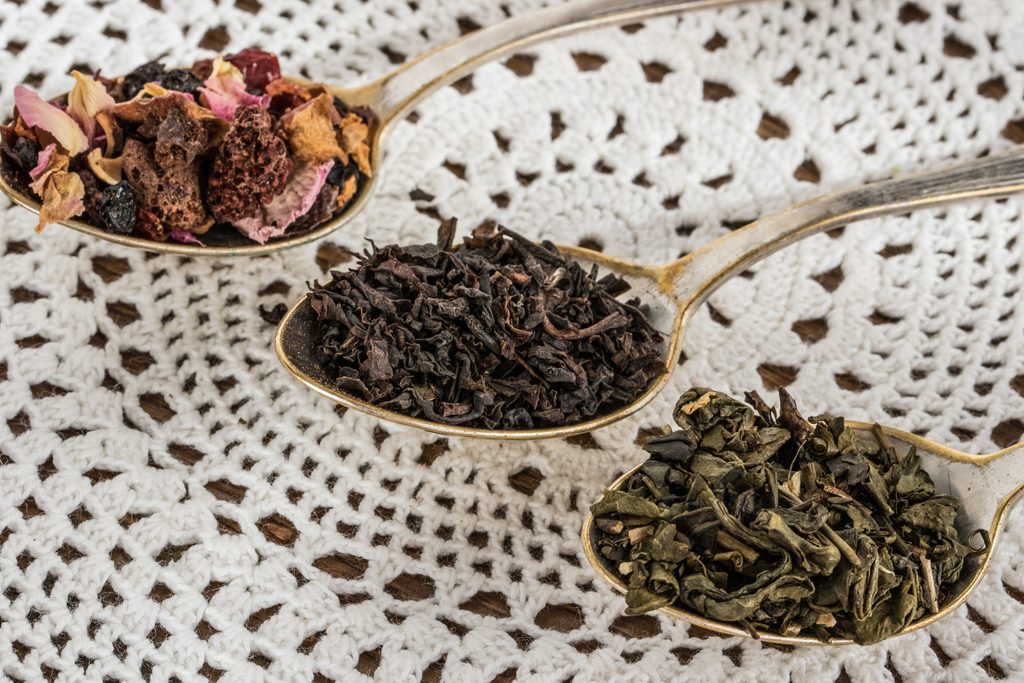
Dried tea leaves

Image by Anna Sulencka from pixabay.com

For my podcast topic, I decided to talk about tea. In the podcast, I discussed facts about tea such as its origins and benefits. The podcast is meant to be educational, which is why I did research on the topic. The goal was to make something simple and short due to the limited time the audio recording could be. My title for the podcast episode is “The Science Behind the Perfect Cup of Tea”.

The Making of the Podcast

The Script

I thought it would be a good idea to start off with making my script. Since I decided to make it educational, I first did my research. I got my information from sciencefocus.com and sciencelearn.org, where I learned a lot about tea. After putting down the information I got from those websites, I formatted my script in the way I wanted it to go. I kept in mind the sounds I wanted to incorporate and the music I wanted to put for the intro and ending of the podcast. I even used my phone to record me practicing reading out loud to make sure I am hitting the time limit of two minutes.

Recording and Editing

After I was satisfied with my script, I went to doing the recording. The equipment I decided to use for recording was my phone because it is free and convenient. The first thing I did was record my voice reading the script. It took a couple times to get it right, I even did some test runs. The vibe I wanted to go with was a calm one, so I spoke softly and slowly. Later on, I recorded the sounds I would use. I recorded pouring water into a cup, blowing into a cup of water with a straw to replicate water boiling, and I even got a leaf outside and recorded me rolling it. After all that, I went to editing. The editing software I used was Capcut. I have been using that software since high school for other class assignments. It is easy to use and a lot of the things on the app are free. I found the music on www.bensound.com for my intro and outro.

Credits and Attributions

Websites

Here are the two websites I used as sources for my research:

Music

Here are the song attributions and where I got it from:

Attribution Text:

Royalty Free Music:

Song: As Your World Grows Smaller
https://www.bensound.com
Artist: Diffie Bosman
License code: 4YDNK84GDKIXNUKU

Final Product

Transcript

This is my transcript that I used for my audio recording:

Me: Hello, everyone. I am Mariam and in this podcast we will be discussing the science behind a perfect cup of tea.

*Music plays (10 seconds)*

Me: All tea, whether it’s black, green, white, oolong, or Pu-erh, comes from Camellia sinensis. Camellia sinensis is a sub-tropical plant that is native to Asia. Fun fact: mint and chamomile tea are not actual teas because they do not come from camellia sinensis. Now, how is tea made? First, after the leaves are harvested, they are laid out to dry then rolled. 

*rolling leaves sound*

Me: This is so the leaves can release enzymes and stimulate oxidation. Things like the color, strengths, and taste of the tea are all determined by how long the leaves are exposed to oxygen. Did you know that the water quality and the temperature used to boil the tea affects the quality of the tea? It is best to use softer water because it creates a cleaner taste. The temperature should be adjusted depending on the type of tea. Lighter teas such as white and green tea should be boiled at a lower temperature, while stronger teas such as black tea should be boiled at a higher temperature.

*boiling sounds*

Me: Getting the temperature right isn’t just about taste; it ensures you maximize the beneficial antioxidants and polyphenols in every cup. 

*sound of water poured into a cup*

*ends with song (10 seconds)*

Podcast Audio

This is my podcast audio:

css.php