When choosing “all rights reserved,” I gain full legal control over my work. In this case, I would not be able to waive rights like the public domain or use Creative Commons to give permissions. The reflection of various copyrights helped me discover that if a creator is not ready for others to use their work, it is best to use the traditional “all rights reserved” because they gain legal authority to prosecute those who use their work against their wishes. This choice contradicts public domain, which contain works that are free for anyone to use without permission, and when copyright expires (70 years), they are automatically entered into public domain.
Ethically Use Work of Others
When using other creator’s work ethically, it usually requires going through “slushy” fair use exceptions for transformative purposes. Knowing this, it’s best to keep in mind that no usage or transformative purpose is 100% guaranteed to be legally protected. When proactively understanding and defending your creative rights, it helps stay clear when automated platform checkers fail to recognize the exceptions.
I chose my domain name to include my first name, middle initial, and last name. I learned how to create an appropriate name through my course “DGST 101,” at the University of Mary Washington, and it has shown great promise for my future. The course taught me to create a name that will carry me throughout my years in undergrad and possibly beyond.
Why is it Important?
Your online identity should be uniquely you. I’ve gathered that creating a domain name that doesn’t reflect your name would not be beneficial. For example, if your domain name included a specific class, such as “fsem.avamhild.com” it doesn’t capture that it’s YOU. It shows that your site is about an fsem class. In order to create a domain name, it’s best to use your name.
Identity on the Internet
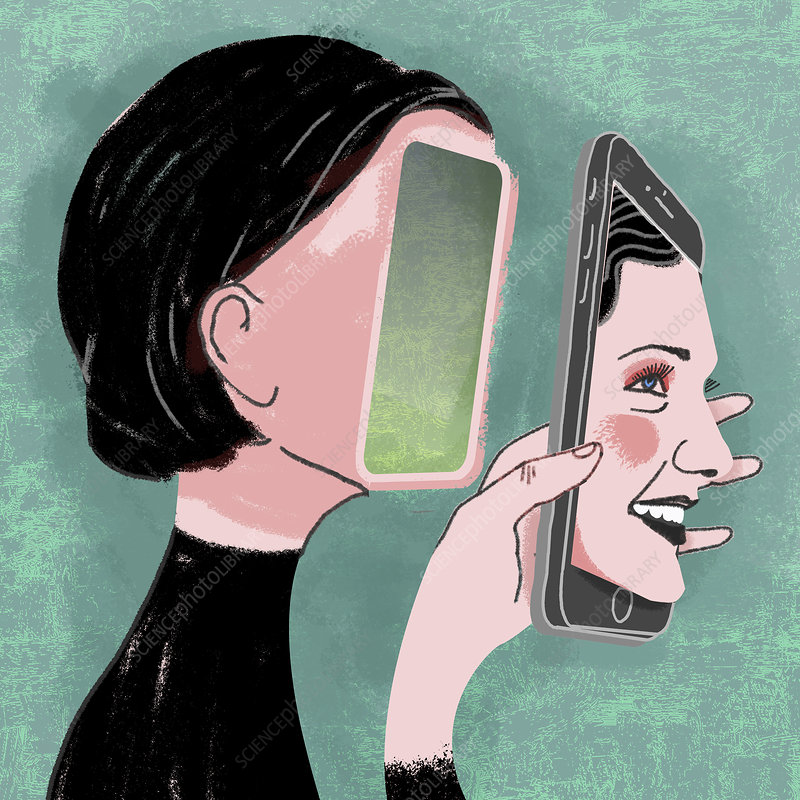
There is always conversation about other users and what they do on the web, but what is your identity on the web and how do you create it? In article Virtual Identity Construction: How We Build Our Digital Selves in Online Spaces by Octavia Ortega Esteban, it explains how our identities online are intentional and curated, very different from our offline identity. Virtual identity construction consists of the psychological process of creating and managing the way we present ourselves online. Unlike our offline identity, our digital identity can be selective in how we present ourselves such as showing certain truths while hiding others. Identity fragmentation is also part of digital identity, meaning to maintain different personas on different platforms.
Healthy vs. Harmful Identity Construction
Social media, more times than none, encourage idealized versions of self, such as using Instagram, or expect professional personas on LinkedIn. This creates pressure for every user. Some ideas in the article of how to practice healthy identity construction include digital identity audits, strategic vulnerability, and intentional boundaries. Some red flags or contrasts would include dependence on likes and/or followers, anxiety when your online and offline identities collide, and feeling trapped by the persona created. Going forward, it is best to check in with your identity online regularly.