Video Project Checkpoint

Shot List

TimeNarrationVisuals
0-20 sec“Mexican American culture is a blend of heritage, history, and lived experience…”A-roll of speaking in room, title card with “Mexican American Culture”
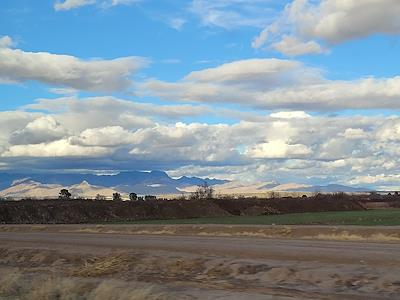
20-40 sec“Today I’m exploring how traditions, language, and community shape Mexican American identity…”Sunset over New Mexico mountains, aerial photo of New Mexico dry lands
40-60 sec“Food is one of the strongest cultural anchors…”Photos of family gatherings, adobe home patio, close-up of plants around home, on-screen text listing tamales, pozole, and arroz con leche
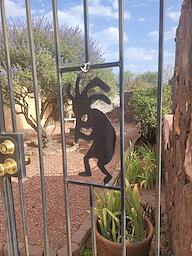
60-80 sec“Mexican American traditions blend Indigenous, Spanish, and modern influences…”Native American symbol on gate, adobe home, photos of mountains, graphic showing Día de los Muertos and Quinceañera text
80-100 sec“Community plays a huge role…”Band playing music while people dance at grandparents’ patio gathering
100-110 sec“These spaces help preserve language, music, and shared identity.”Continue dancing and music footage, crowd interaction
110-120 sec“Today, Mexican Americans make up more than 60 percent…” and conclusionA-roll of you speaking, followed by fireworks footage as final visual montage

Additional Visual Media

Photographed by Ava Hild

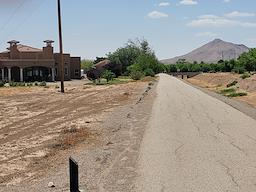
To support my discussion of Mexican American culture, I will use photographs of New Mexico’s landscapes, mountains, native plants, and trails near the Rio Grande. I will also include a photograph featuring Native American imagery, title graphics, text overlays, and source citations. These visuals help connect the themes of heritage, tradition, community, and cultural identity discussed throughout the narration.

Equipment

I recorded my A-roll narration using my smartphone in a quiet room to minimize background noise. My B-roll footage was recorded outdoors using the same smartphone. Natural lighting was used for most of the footage, and the recordings were captured in table positions to ensure clear video quality.

Here you will find my A-roll and B-roll footage: Recordings
Audio Project

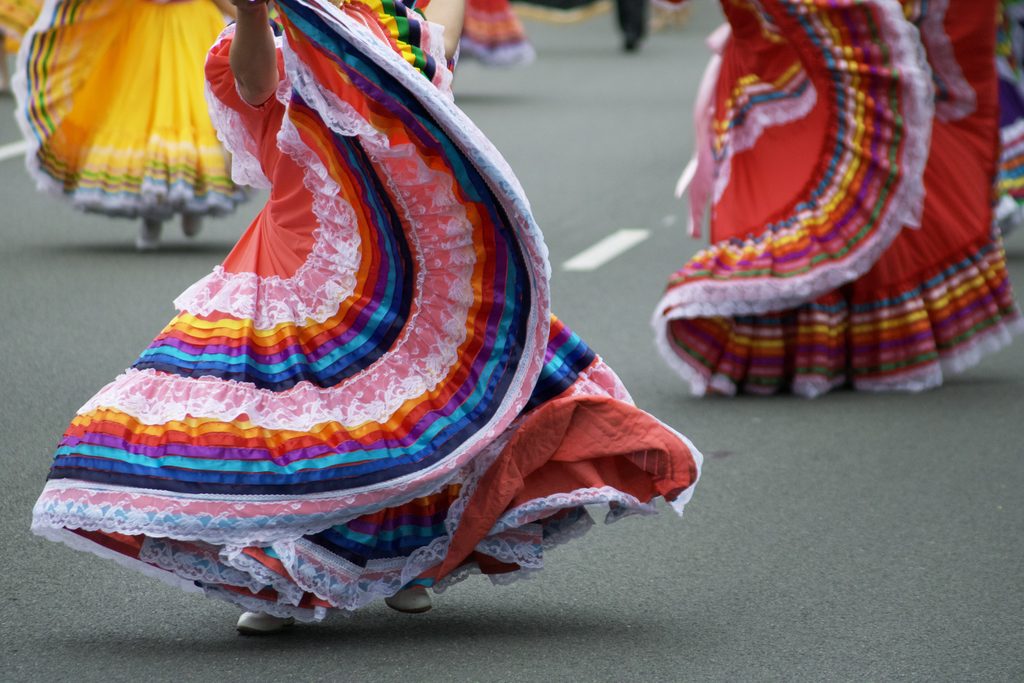
mexican american girl wearing traditional clothing and dancing.
Photo by picsbyjameslee on Pixabay
Audio about Mexican American culture.

Process

The equipment used to make the audio of the narration was a smartphone and wired earbuds microphone. The software I used to edit is called Soundtrap. This platform made it easy to put together tracks. I used a copyright free intro and outro tracks along with a nature track. The two audios you hear before talking about food was made in my kitchen. I recorded the audio of turning my gas stove on and then created another track of sizzling to create a connection between kitchen sounds with my narration of food.

Attributions/Credits

Copyright Free Audios

Intro: Con Carne (7 sec edit) by Grumpynora on Pixabay

Outro: Emotional Guitar Loop V13 by IdoBerg on Pixabay

Nature/Birds: Birds chirping by freesound_community on Pixabay

Online Resources

National Museum of the American Latino | Home

Mexican American Identity — Indigenous Mexico

Transcript of Audio

Intro Music

“Mexican American culture is a vibrant blend of heritage, history, and everyday life. Today, I’m sharing how traditions, food, and community shape Mexican American identity across the United States.”

“Mexican American culture has roots in Indigenous traditions, Spanish influence, and generations of adaptation in the U.S. This blend creates a unique cultural identity that continues to evolve.”

Kitchen Ambience

“Food is one of the strongest cultural connections. Dishes like tamales, pozole, and arroz con leche aren’t just recipes — they’re memories passed down through families.”

“Traditions also play a major role. Día de los Muertos honors ancestors with altars, marigolds, and offerings. Quinceañeras celebrate the transition into adulthood, mixing Catholic customs with modern style.”

Nature/Birds Ambience

“Community spaces — local markets, festivals, and family gatherings — help preserve language, music, and shared identity. These places keep culture alive across generations.”

“Today, Mexican Americans make up more than 60 percent of the U.S. Latino population. Many navigate life between cultures, speaking Spanglish, celebrating both Mexican and American holidays, and shaping art, politics, and education.”

Outro Music

Recording My Audio Project

Topic Discussion

My topic for the audio project is Mexican American culture, specifically food, tradition, and identity. I think it’s important to discuss different cultures with everyone, to learn ways of others, and understand how people navigate life. In this case, I would love to share about Mexican American customs.

Outline, Script, and Recording Plan

Outline

0–20 seconds: Intro music Topic introduction

20–40 seconds: Background on Mexican American culture and why the topic matters

40–60 seconds: Food as cultural memory Ambient sound #1: kitchen sounds

60–80 seconds: Traditions: Día de los Muertos, quinceañeras

80–100 seconds: Community spaces Ambient sound #2: neighborhood ambiance

100–120 seconds: Modern identity Outro music and sign‑off

Script

“Mexican American culture is a blend of heritage, history, and lived experience. Today, I’m exploring how traditions, language, and community shape Mexican American identity in the United States. Food is one of the strongest cultural anchors. Dishes like tamales, pozole, and arroz con leche aren’t just meals, they’re memories passed down through generations, often prepared together as a family. Mexican American traditions blend Indigenous, Spanish, and modern influences. Celebrations like Día de los Muertos honor ancestors with altars, marigolds, and offerings. Quinceañeras mark the transition into adulthood, combining Catholic customs with contemporary style. Community plays a huge role. Mexican American neighborhoods often center around family gatherings, local markets, and cultural festivals. These spaces help preserve language, music, and shared identity. Today, Mexican Americans make up more than 60 percent of the U.S. Latino population. Many navigate life between cultures — speaking Spanglish, celebrating both American and Mexican holidays, and shaping art, politics, and education with their bicultural experiences.”

Recording

Location: Quiet room in my home

Ambient Sound #1: Kitchen (sizzling, chopping)

Ambient Sound #2: Nature (birds chirping)

Equipment Used: Smartphone

Editing Software: Camera App

Music: Copyright-free intro/outro, and ambience sounds from Pixabay Music

Summar of My Recording Process

I recorded a couple takes of my script on Mexican American culture in a quiet room to ensure clarity. I used my smartphone microphone and the camera app for all recordings, then imported the files in my UMW OneDrive. I also included the sound effect, intro/outro sounds, and ambience sounds within my UMW OneDrive file.

My UMW OneDrive file: Recordings

Images

Creating My Vector Image (Favicon)

In my site icon, I created an image of a flower in different shades of pink. I created this image because it can represent delicate and youthfulness, which is where I am in my life. I used Affinity by Canva and the Canva website to create my image, and I found it simple to use the shapes tool, along with the layering tool. When downloading my site icon image, I made sure to make it an appropriate size (512mm x 512mm) and I downloaded this image as a PNG file type to ensure the quality was efficient for this website.

Light pink background with a magenta colored and abstract square with a flower of different shades of pink inside
By Ava Hild

Creating My Header Image

When creating my header, I planned to keep a simple but effective design that includes my name, the purpose of this website, and complimentary designs to match the site icon. I used Affinity by Canva and the Canva website and found the pixel studio helpful when places my designs in the header. When downloading my header, I fixed the size to best fit the space (1920mm x 400mm) and I downloaded this image as a PNG file type because within the pixel studio in Affinity, at least for me, it would download as a blank document if I used any other file types.

black background with text in the middle that reads "The Work of Ava Hild," in light brown coloring. Surrounding the texts are beige and pink flowers. On the edges show abstract graphics that layer each other.
By Ava Hild

Software used and mentioned:

Canva Studio – Canva

Professional Creative Software | Craft In Affinity, Scale In Canva

Copyright and Attribution

Reflection on Copyright

When choosing “all rights reserved,” I gain full legal control over my work. In this case, I would not be able to waive rights like the public domain or use Creative Commons to give permissions. The reflection of various copyrights helped me discover that if a creator is not ready for others to use their work, it is best to use the traditional “all rights reserved” because they gain legal authority to prosecute those who use their work against their wishes. This choice contradicts public domain, which contain works that are free for anyone to use without permission, and when copyright expires (70 years), they are automatically entered into public domain.

Ethically Use Work of Others

When using other creator’s work ethically, it usually requires going through “slushy” fair use exceptions for transformative purposes. Knowing this, it’s best to keep in mind that no usage or transformative purpose is 100% guaranteed to be legally protected. When proactively understanding and defending your creative rights, it helps stay clear when automated platform checkers fail to recognize the exceptions.

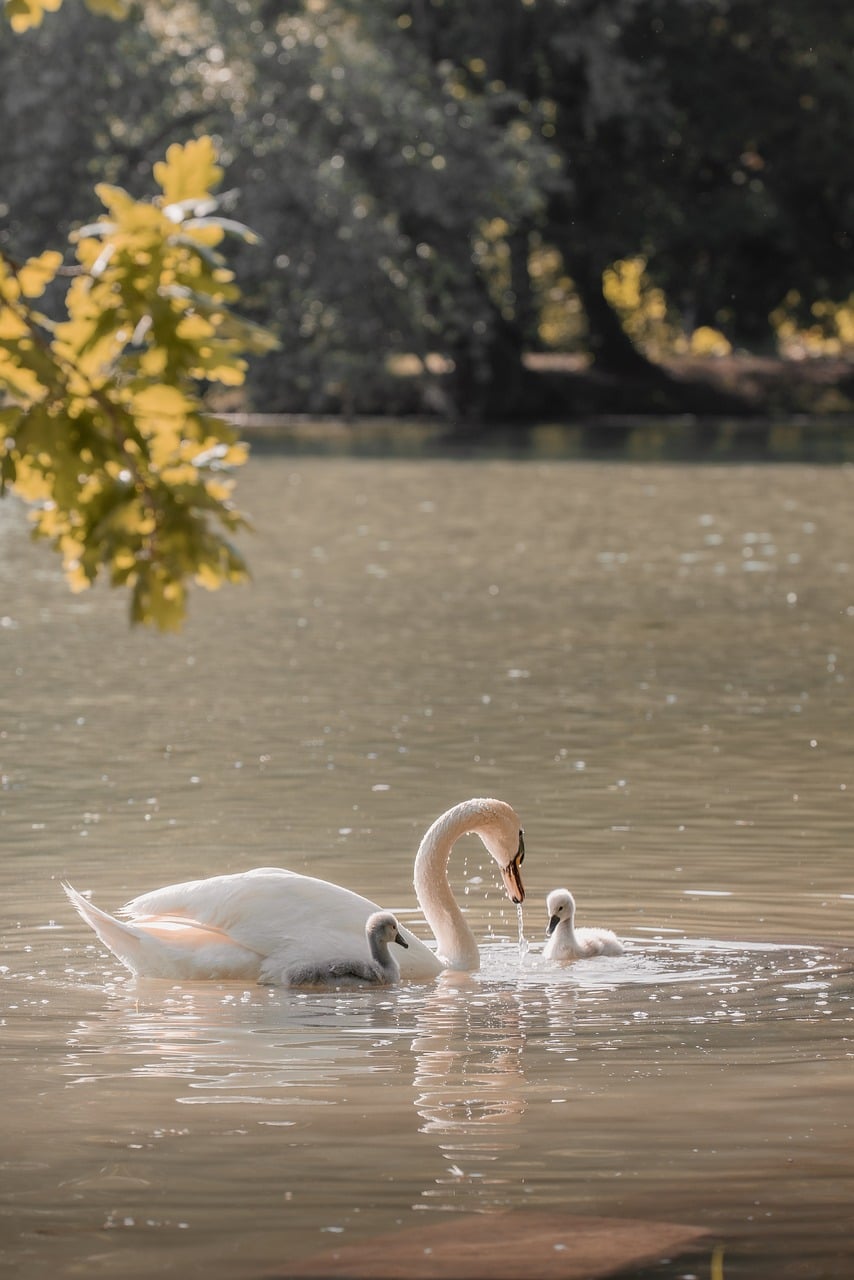
White Swan with babies in a pond with green landscape.
Creator unknown. Media found on DKC Free Media Resources
Side profile of a zebra with a black background.
Creator unknown. Media found on DKC Free Media Resources

Who Am I On The Web?

Domain Name Configuration

I chose my domain name to include my first name, middle initial, and last name. I learned how to create an appropriate name through my course “DGST 101,” at the University of Mary Washington, and it has shown great promise for my future. The course taught me to create a name that will carry me throughout my years in undergrad and possibly beyond.

Why is it Important?

Your online identity should be uniquely you. I’ve gathered that creating a domain name that doesn’t reflect your name would not be beneficial. For example, if your domain name included a specific class, such as “fsem.avamhild.com” it doesn’t capture that it’s YOU. It shows that your site is about an fsem class. In order to create a domain name, it’s best to use your name.

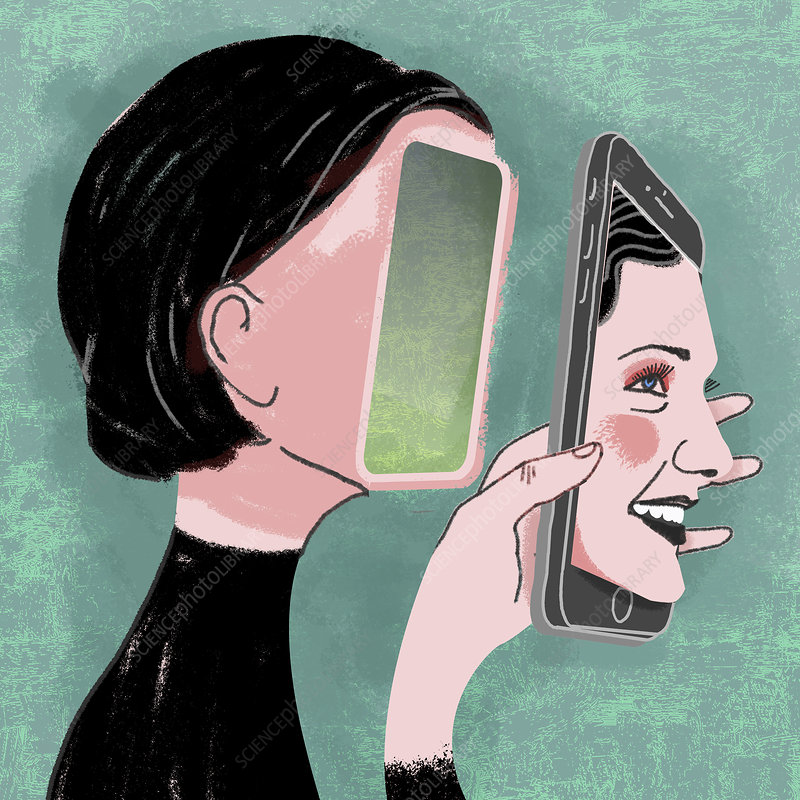
Image includes woman with her face detached from her body and on the phone that she is holding.

Identity on the Internet

There is always conversation about other users and what they do on the web, but what is your identity on the web and how do you create it? In article Virtual Identity Construction: How We Build Our Digital Selves in Online Spaces by Octavia Ortega Esteban, it explains how our identities online are intentional and curated, very different from our offline identity. Virtual identity construction consists of the psychological process of creating and managing the way we present ourselves online. Unlike our offline identity, our digital identity can be selective in how we present ourselves such as showing certain truths while hiding others. Identity fragmentation is also part of digital identity, meaning to maintain different personas on different platforms.

Healthy vs. Harmful Identity Construction

Social media, more times than none, encourage idealized versions of self, such as using Instagram, or expect professional personas on LinkedIn. This creates pressure for every user. Some ideas in the article of how to practice healthy identity construction include digital identity audits, strategic vulnerability, and intentional boundaries. Some red flags or contrasts would include dependence on likes and/or followers, anxiety when your online and offline identities collide, and feeling trapped by the persona created. Going forward, it is best to check in with your identity online regularly.

For more information on the article: Virtual Identity Construction: How We Build Our Digital Selves in Online Spaces

css.php