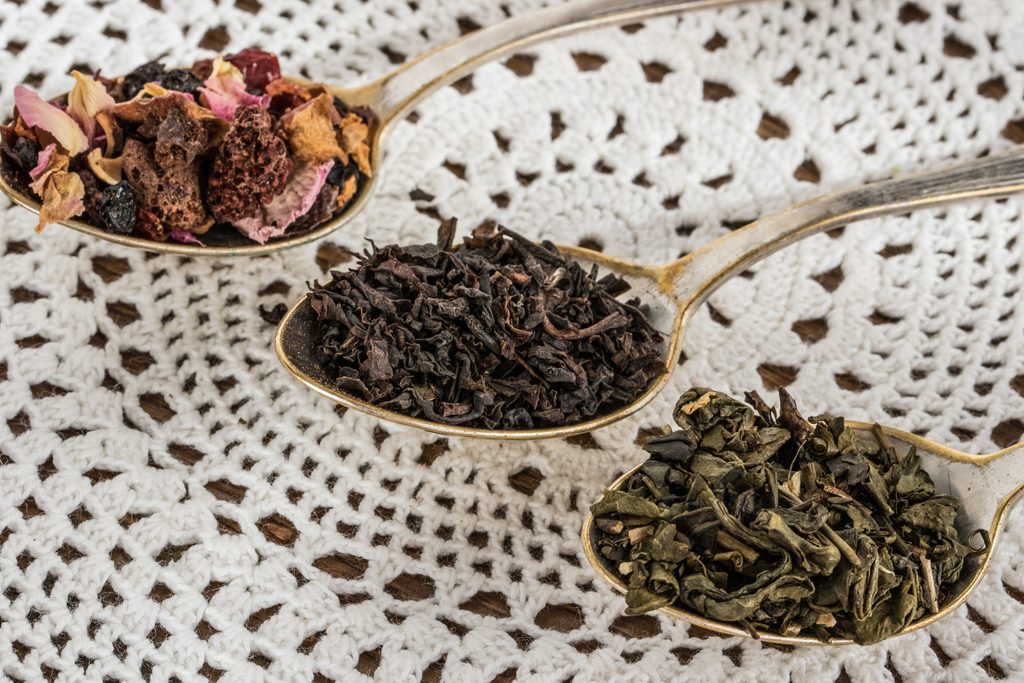
Image by Anna Sulencka from pixabay.com
For my podcast topic, I decided to talk about tea. In the podcast, I discussed facts about tea such as its origins and benefits. The podcast is meant to be educational, which is why I did research on the topic. The goal was to make something simple and short due to the limited time the audio recording could be. My title for the podcast episode is “The Science Behind the Perfect Cup of Tea”.
The Making of the Podcast
The Script
I thought it would be a good idea to start off with making my script. Since I decided to make it educational, I first did my research. I got my information from sciencefocus.com and sciencelearn.org, where I learned a lot about tea. After putting down the information I got from those websites, I formatted my script in the way I wanted it to go. I kept in mind the sounds I wanted to incorporate and the music I wanted to put for the intro and ending of the podcast. I even used my phone to record me practicing reading out loud to make sure I am hitting the time limit of two minutes.
Recording and Editing
After I was satisfied with my script, I went to doing the recording. The equipment I decided to use for recording was my phone because it is free and convenient. The first thing I did was record my voice reading the script. It took a couple times to get it right, I even did some test runs. The vibe I wanted to go with was a calm one, so I spoke softly and slowly. Later on, I recorded the sounds I would use. I recorded pouring water into a cup, blowing into a cup of water with a straw to replicate water boiling, and I even got a leaf outside and recorded me rolling it. After all that, I went to editing. The editing software I used was Capcut. I have been using that software since high school for other class assignments. It is easy to use and a lot of the things on the app are free. I found the music on www.bensound.com for my intro and outro.
Credits and Attributions
Websites
Here are the two websites I used as sources for my research:
The Science of the Perfect Cup of Tea (sciencefocus)
The Science of Tea (sciencelearn)
Music
Here are the song attributions and where I got it from:
Free Music for Videos (bensound)
Attribution Text:
Royalty Free Music:
Song: As Your World Grows Smaller
https://www.bensound.com
Artist: Diffie Bosman
License code: 4YDNK84GDKIXNUKU
Final Product
Transcript
This is my transcript that I used for my audio recording:
Me: Hello, everyone. I am Mariam and in this podcast we will be discussing the science behind a perfect cup of tea.
*Music plays (10 seconds)*
Me: All tea, whether it’s black, green, white, oolong, or Pu-erh, comes from Camellia sinensis. Camellia sinensis is a sub-tropical plant that is native to Asia. Fun fact: mint and chamomile tea are not actual teas because they do not come from camellia sinensis. Now, how is tea made? First, after the leaves are harvested, they are laid out to dry then rolled.
*rolling leaves sound*
Me: This is so the leaves can release enzymes and stimulate oxidation. Things like the color, strengths, and taste of the tea are all determined by how long the leaves are exposed to oxygen. Did you know that the water quality and the temperature used to boil the tea affects the quality of the tea? It is best to use softer water because it creates a cleaner taste. The temperature should be adjusted depending on the type of tea. Lighter teas such as white and green tea should be boiled at a lower temperature, while stronger teas such as black tea should be boiled at a higher temperature.
*boiling sounds*
Me: Getting the temperature right isn’t just about taste; it ensures you maximize the beneficial antioxidants and polyphenols in every cup.
*sound of water poured into a cup*
*ends with song (10 seconds)*
Podcast Audio
This is my podcast audio: