Trying to wrap up everything neat and tidy at the end of an emotionally draining and stressful semester is like being a screen writer who only has one more episode to wrap up the storyline of a multi-season show …can someone say cliffhanger? Except there’s no cliffhanger at the end this time, it all comes down to this last post. (Unless of course I fail this course and have to retake it, wouldn’t that be a PLOT TWIST?! But hopefully that won’t be the case and I will have done enough to skirt by with a passing grade, because even though I actually quite enjoyed this class and couldn’t have asked for a more patient and understanding professor, the idea of failing anything and having to start over from the beginning kinda makes me nauseous and want to cry – and this past year has brought far too many season’s of tears for me already. So, this is what I have to present, though I know I’m capable of more – more ideas, more digital artwork, more funny stories that might make sense to someone out there; what I don’t have any more of is time. Time is a thief of promise that robs people like me of reaching their true potential. But we don’t have time to unwrap all of that now…
Accessibility
▢ Media/source credit
Most of the images I’ve included on my domain and subdomains have been created by me with help from AI occassionally, through my favourite photo editing app for android, PicsArt
▢ Information accuracy
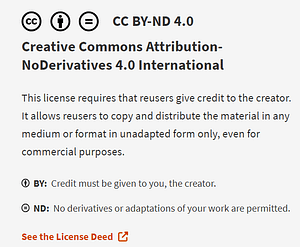
▢ What copyright license you chose for your project site and work (and why you chose it)
▢ Any help you got from AI
▢ The process of making your site and any media you created (software and tools you used)
I tried to tie in all of the different aspects of my story into one central landing page with links and branches that connect to my personal blog, Brave Borderline, my school portfolio (this site) My Beautiful, Messy Mind, and a few hobbies and interests that I’ve started at some point in recent years and never followed through on, such as my Mary Kay side gig (my shop is still open if you need presents for family member or self-care gifts!), and links to various resources and information and community support avenues which really would have wrapped up my website and this final so perfectly! SPOILER ALERT: Not everything made it onto my website in time. But keep checking back if you’re interested bc I will keep working on it, even if it takes me another year to complete!
Scene: Introduction
Option 1: Wide shot of waves crashing against rocks
Option 2: Medium shot of a person standing on a cliff overlooking the ocean
Option 3: Close-up shot of person's face looking contemplative
Option 4: Aerial shot of ocean waves

Scene: Defining the Problem
Option 1: Wide shot of person standing on shore with waves crashing behind them
Option 2: Medium shot of a person standing at the shore with waves crashing behind them
Option 3: Close-up shot of a person's face looking worried
Option 4: Wide shot of a person walking on the beach alone

Scene: Importance of Trust in Jesus
Option 1: Medium shot of a person praying
Option 2: Close-up shot of a person's face looking peaceful
Option 3: Wide shot of a person staring at a cross
Option 4: Close-up shot of a person's hands holding a bible

Scene: Comparison to Peter
Option 1: Wide shot of a person standing in shallow water with waves crashing behind them
Option 2: Medium shot of a person walking towards waves
Option 3: Close-up shot of a person's feet taking a step towards the ocean
Option 4: Wide shot of a person standing at the edge of a boat

Scene: Advantages of Trusting Jesus
Option 1: Medium shot of a person standing knee deep in water
Option 2: Close-up shot of a person's face looking determined
Option 3: Wide shot of a person walking through shallow water
Option 4: Close-up shot of a person's face looking calm

Scene: Overcoming Fear
Option 1: Wide shot of a person standing in the middle of a stormy ocean
Option 2: Medium shot of person holding onto something in the ocean
Option 3: Close-up shot of a person's face looking scared
Option 4: Wide shot of a person taking a deep breath and putting their head underwater

Scene: Conclusion
Option 1: Wide shot of person standing on the beach looking at sunset
Option 2: Medium shot of person sitting on the beach looking at waves
Option 3: Close-up shot of a person's face looking hopeful
Option 4: Aerial shot of waves and ocean spreading out to the horizon.

Part 3: Practical Ways to Cultivate Hope (30 seconds):

(Ambient music returns)
Prep and Process
□ Equipment Section
Any video I include in this assignment will be filmed on one of my Samsung Galaxy mobile phones and uploaded and edited on my laptop.
I will use a media/video editing app or program onto complete this assignment.
□ Visual Material Section
I will create any additional visual materials using PicsArt or royalty free images found online.
Audio for my podcast was recorded using invideo.ai because I thought I’d be able to edit the file once the audio was finished from the same source and application. This proved difficult and I also couldn’t find where I’d saved the file on my computer and decided to just use Microsoft Clipchamp which was a lifesaver once I was able to locate the audio file on my laptop.
Kim’s Corner: On Hope
Attributes:
This video was made with Clipchamp
Pictures and stock videos from Clipchamp Content Library. I also included personal pictures that I’ve taken with my Samsung Galaxy phone as well as digital pictures that I created with PicsArt Studio for Android and Web. Audio was recorded through invideo.ai.
Transcript
Today I’m going to talk to you a little bit about HOPE and what that means to me personally and hopefully show you how it can help you through even the stormiest seasons of life.
So, what is hope anyway? Well, I think hope is a uniquely personal response to challenging times. For me, as a Catholic, I find my greatest hope comes in my personal trust that God will see me through these hard times because He has gotten me through some really dark times before. And it is that trust that keeps me holding to the hope that this too shall pass.
Some other ways to cultivate hope in your own life include:
Daily Gratitude Practice: Start or end your day by listing three things you’re grateful for. It might seem small, but it refocuses your mind on the positive.
Scripture Meditation: Reflect on hope-filled Bible verses. Pick one each week and meditate on its meaning.
Journaling: Write down your thoughts and prayers. It can help you process emotions and see progress over time.
Acts of Service: Helping others can shift your perspective and bring a sense of fulfillment.
Worship Music: Listen to uplifting songs that remind you of God’s promises.
Connect with a Mentor: Seek wisdom and encouragement from someone you trust within your church or community.
Hope is a unique, yet powerful ally for change. So embrace it, nurture it, and let it guide you on your journey and know that wherever that journey takes you, whatever challenges you face, there is always hope – and you are not alone.
Thank you for tuning in and may God bless you always. Until next time, this is Kim’s Corner.
Working through some stuff…but I am still working! Your patience and understanding is appreciated.
Introduction: Briefly introduce the concept of hope and why it’s vital for personal growth and mental health.
Personal Story: Share your own experiences, focusing on moments where hope played a key role in overcoming challenges.
Research Back-Up: Cite studies from reputable sources like Harvard Medical School, highlighting the link between hope and mental health.
Practical Tips: Offer actionable advice on how to cultivate hope in daily life.
Conclusion: Wrap up with a powerful message about the transformative power of hope. Visually, you can incorporate serene sunrise scenes, clips of personal milestones, and snippets of the research you cite. This approach will make your content both engaging and informative. Ready to get started?
Start with a gentle ambient sound in the background—maybe nature sounds or soft music.
Let’s Begin: (0:10-0:20 ) Introduce the topic: “In life’s stormiest seas, hope anchors us through faith.”
Personal anecdote or relatable situation: “
Part 1: Defining Hope (0:20-0:45 seconds):
Define hope in simple terms: “Hope is more than mere optimism – hope is about trust.”
Quote about trust: According to Father Mike Schmitz from the popular Christian podcast Ascension Presents, “Hope is rooted deeply in faith…and faith is when we entrust ourselves to another.” So, faith in God means we are actively putting our trust in him. This makes faith more than just a unilateral statement; it’s a relationship with Jesus, and with God – a relationship built on trust.
Dig Deeper into definition: So what does this all have to do with hope? Well, hope is this kind of faith, this trust, extended into the future. But more than that, it means that hope as defined in this way, makes it a very personal experience. It becomes less of an umbrella term of optimistic expectation, and becomes a personal relationship with the future.
Brief example of someone finding hope in a difficult situation.
Part 2: The Role of Faith in Hope (0:45-1:10):
Explain how faith and hope are intertwined: “Faith is the substance of things hoped for, the evidence of things not seen (Hebrews 11:1).”
Discuss how trusting in God can provide strength and endurance. “Isaiah 40:31 says “But those who hope in the Lord will renew their strength. They will soar on wings like eagles; they will run and not grow weary, they will walk and not be faint.”
Part 3: Practical Ways to Cultivate Hope (1:10-1:40):
Offer simple, actionable tips: “Start with small goals, surround yourself with positive influences, and remember past successes.” Also, “Pray, read Scripture, and reflect on God’s promises.”
Daily Gratitude Practice: Start or end your day by listing three things you’re grateful for. It might seem small, but it refocuses your mind on the positive.
Scripture Meditation: Reflect on hope-filled Bible verses. Pick one each week and meditate on its meaning.
Journaling: Write down your thoughts and prayers. It can help you process emotions and see progress over time.
Acts of Service: Helping others can shift your perspective and bring a sense of fulfillment.
Worship Music: Listen to uplifting songs that remind you of God’s promises.
Connect with a Mentor: Seek wisdom and encouragement from someone you trust within your church or community.
Physical Activity: Sometimes a walk outside or a bit of exercise can lift your spirits and give you a fresh outlook.
It’s important to protect your hope as you would your heart. “Lean on your church family and surround yourself with supportive believers.”
Conclusion (1:45-1:55):
Recap the key points: “Hope is more than not just a feeling—it’s our greatest ally.”
“All it takes is one good person to restore hope.” Pope Francis
Leave listeners with a hopeful thought or affirmation: “Remember, hope and faith can be powerful allies. Sometimes it’s just about taking one step at a time and leaning on those around you for support.” Outro (1:55-2:00) music fade
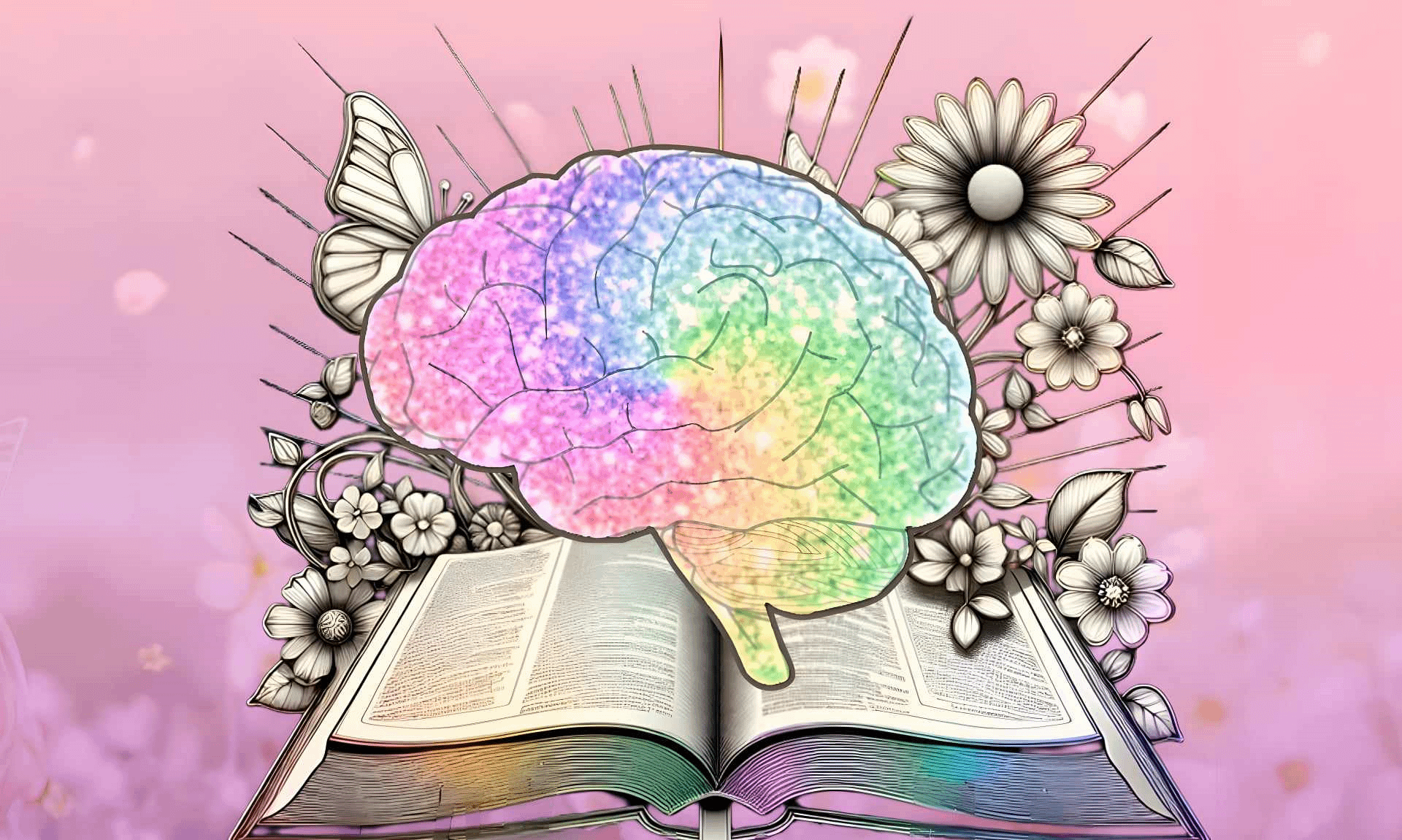
As my mother and therapist would often tell me, I have quite the imagination! When i was younger, I could come up with the most imaginative stories of fairies in our garden or mid-night adventures with my invisible friend, Jack. To this day, I still enjoy escaping into my imagination and creating stories to tell my son who continuously begs me to publish a book with himi as the main character. But while my mind can take me to the fairy world and far beyond what others can only dream about, without art, or imagery, these worlds remain locked away in my mind. Because, you see, I am creative, but I am not artistic. That is a trait that my older brother and son somehow have, but that gene skipped over me completely. And while, most of the stuff that populates my brain on a regular basis is probably best left there, some of the creative ideas that I’ve come up with over the years has always longed to be experienced outside the constrains of my own imagination. I could write it out and describe how amazing these ideas and places were, and often did, but I feel like there was always something missing; they lacked depth and character – they lacked imagery. Now, with the dawn of AI, I am finally able to make these fantasies come alive!
Image created with Copilot; designed by me, KF
A Picture Really is Worth A Thousand Words
Just as my stories of garden fairies and trips to a hidden CandyLand in the clouds needed imagery to come to life, so, too, do the ideas expressed on a website. Pictures give depth and meaning to the words we express and as such, should accurately and clearly relate to the messages we are trying to portray.
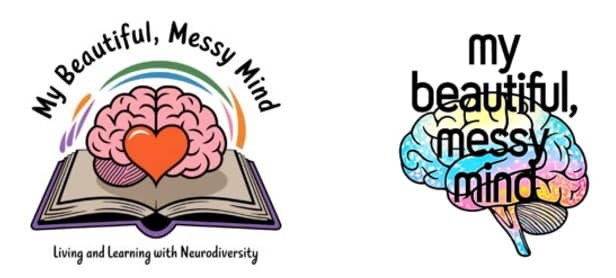
For my domain, I chose to use a photo editing app on Android that I have been using since it’s inception nearly two decades ago. It’s called PicsArt and while there is a desktop version for the computer, I primarily use it on my Samsung Galaxy smartphone because I’m more familiar with using it there. PicsArt, like the rest of technology, has come a long way since the early 2000’s, and now offers AI enhancements to photos and AI generated images which is what I used to create the logo and icon for this subdomain of my website. I entered in the text “colourful brain and book representing neurodiversity” into the text field and PicsArt came up with several options which I then picked 2 and tweaked to better fit what I wanted to see. The result was the following two pictures:
two images created by Kfrisbee using Picsart for Android
However, after speaking with Professor Cartland, I ended up reworking the main image on my landing page to better fit the space and making the favicon less crowded. These are the final images, both created and edited as png’s in Picsart. (Hope they work because this assignment is already late…)
created by me, Kfrisbee using PicsArt for Androidcreated by kfrisbee using PicsArt for Android
I created these images to illustrate the message that neurodiversity should be celebrated as beautiful and unique; that my brain is beautiful and so is yours too; and I can still make beautiful things come from the messiness of my mind. And I hope there’s a message of hope to be found there.
I think of being a content creator in the digital age a kin to a paralegal working at a law firm – one does all the work while the other reaps the rewards and benefits. In the law office, it’s the paralegals who do all the legwork, ie. the research, client building, filing, and follow up, while the attorney simply signs their name and receives the praise of a job well job. [ DISCLAIMER: THIS IS AN EXAGGERATED OPINION OF THE ATTORNEY/PARALEGAL RELATIONSHIP BASED ON PERSONAL EXPERIENCES. HOWEVER, THE MAJORITY OF ATTORNEYS I KNOW ARE NOT LIKE THIS. ] In most cases, the paralegal does receive some form of gratitude and appreciation from the attorney they work for, and for most paralegals, this small act of validation is enough, while others may decide to seek employment elsewhere, relocate to a different area, or pursue a different career calling altogether. This isn’t all that different, in my opinion, than a content creator who devotes massive amounts of time and energy into developing and perfecting their digital creations and sharing their work on the open web. When you pour time and energy into anything, it creates a kind of intrinsic value and the attention born into such a project is deserving of appreciation and acknowledgment. This is why it’s important to validate not just the work of the creator, but the creator themselves as well. One way of doing this is through proper attribution when we share or reproduce the work of someone else online, much like we would do if we were citing a reference in a scholarly research paper. Whether its in an academic setting or a virtual one, It’s important that we all give credit to the original authors and creators of the content we share online.
Personally, I’m much like the paralegal mentioned above who is happy enough just to receive the occasional accolades from the attorney she works for – probably because that was me for many years. However, now there’s a certain level of accountability involved. If I’m going to attach my name to something and share on the web for everyone to see and critique, I better make sure it’s good!
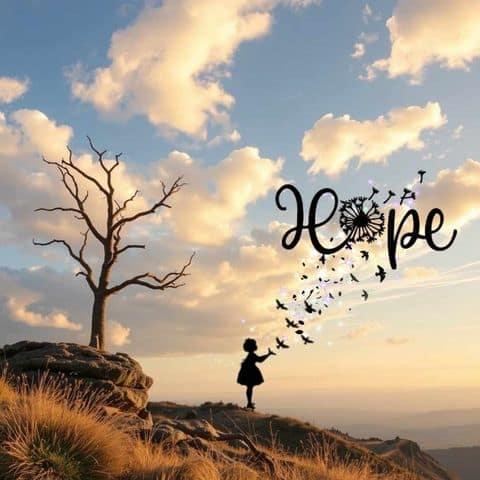
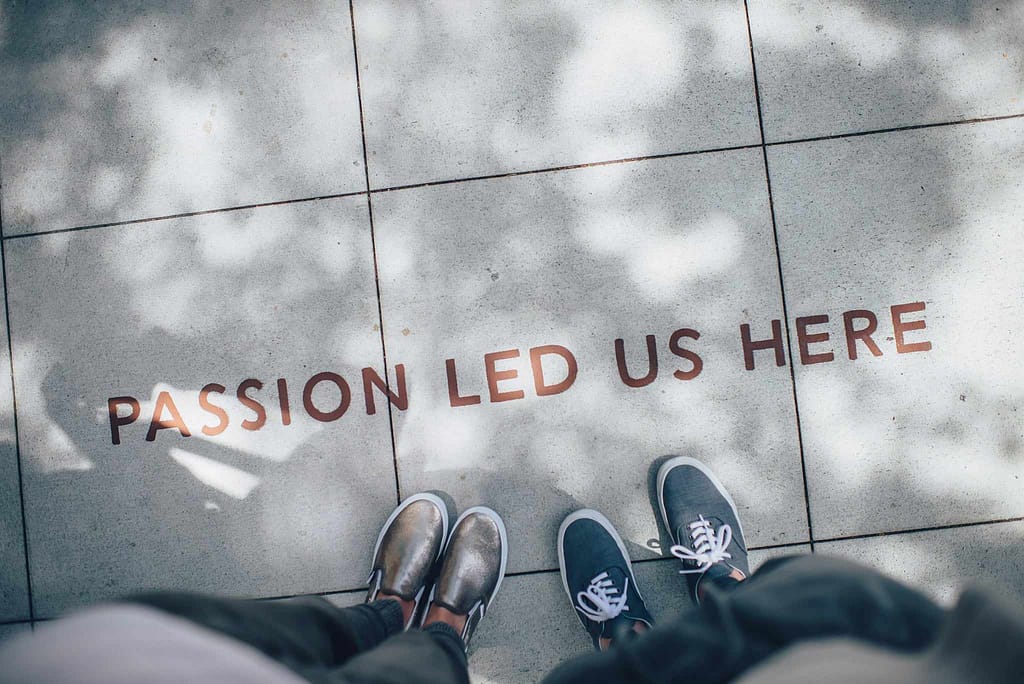
Shout out to Hannah Grace who shared this on unsplash.com
It’s important to me that I leave this world better than I found it. This ideal of making a positive difference, regardless of how small, is woven into my very identity, as I discussed in my last blog entry Who Am I?. Through a sense of altruistic purpose and the potential to reach more people through a broader media outlet, I am working to establish within myself and my community a foundation of hope built on empathy, authenticity, and charity. But I also I understand and value how precious and fleeting time is, and since I won’t waste my time on anything I wouldn’t be proud to put my name on, I believe it’s appropriate to license my work in a way that preserves the original intention but also allows others to share the message if they want to.
I’ve created a lot of online content throughout the years, and to be honest, never paid much attention to copyrighting or credit attribution, mainly because my circle of influence was always so small. However, now that my online presence is growing, so is the reach of my ideas, and likewise the need to be credited adequately and appropriately is also growing. There is value in the countless hours that go into creating and perfecting the stuff I put online, either for this class, or as part of my personal brand building on social media, even if the value is strictly relevant to me and measurable only in how much a moment of time costs when it’s something you know you can never get back. This is why I chose the creative commons license that I did. I don’t mind if people copy, share, or even make a profit off my work, as long as they acknowledge and appreciate the effort and time that I put into it.
Sharing is Caring: The Golden Rule of Copyright Laws
If you’re gonna use it, you must attribute it! Besides the immoral aspect of claiming someone’s hard work as your own, it is also illegal in the United States thanks to copyright laws which protect a creator’s intellectual property from the moment it is created and published onward. There’s no need to apply for a patent that could take years to be approved, or complete some lengthly form every time you upload your latest artwork to Instagram. You created it, and you get to decide how, if at all, it is used once it’s live in the digital world. At least, that’s the very broad concept of copyright protection laws. But the truth is, most of the content we see online today is merely a remix of some kind of yesterday’s internet fad. I can remember being warned that whatever I post on the internet will last forever, and that if I didn’t want it coming back to haunt me when I was older, then I shouldn’t put it online in the first place. Back then, this was partly because we didn’t have the same level of security or government monitoring [read censorship] that we do today. But also because most of us were just too excited to finally have an audience for our creative endeavors. As the first generation to experience AOL chats and message boards, where “ASL?” was common lingo to us, but foreign language to our parents, we knew no bounds in the amount that we shared online, despite the frequent dire warnings from our elders. And I think that kind of freely given, freely shared mentality is what fuels the open-source initiative in today’s digital environment. Except now, we are the elders and our children are teaching us a thing or two about being “cheugy”. (Don’t know what that means? I didn’t either – I had to look online for today’s lingo translations. )
When I think about how much things have changed between the days of dial up and Snake on your cell phone, I also recognize how much things stay the same. Information is readily available at our fingertips whenever we seek it, and the ability to share our thoughts and ideas across not only state lines, but also across political, cultural, and generational divides is truly a marvel of today’s digital advancements. But the driving force behind this incredible expansion of digital access and accessibility is something that has driven human growth since the dawn of the time – human connection. We, as members of the human race, all crave human connection and it is what drives us to keep reaching forward and pushing the lines of what we once believed to be impossible in the ever prevailing quest to feel connected, authentically, to another person. And as long as the desire to connect is still pressing the boundaries of our self-limiting ideals, then I’ll still be here, trying to tie it all together for the rest of us.
Give a shoutout to Ian Schneider – downloaded from unsplash.com
The whole concept of identity is based on an individual’s quest to answer this exact question – “Who Am I?” As a Psychology major, I can give you in depth analyses of how a person’s identity is created, formed, manipulated or sustained, nurtured or hindered, throughout the course of their entire lifetime, up until the very moment they leave this life. But the “how’s” and “when’s” involved in the process of developing this sense of identity is only half of the equation to solving the mystery of “who we are.” In order to see the bigger, fuller, more complete picture of “identity”, we have to also understand the “why.” Why is our identity important and what can we do to protect it at its core?
On-screen
Isn’t it true that you can be anything you want to be when you grow up…well, online at least. There’s a level of anonymity that exists in what we see, and what we post, on the internet. It’s one reason why we encounter so-called “trolls” online and why it is so important to fact check everything you read on your favourite sites. It is easy to share misinformation about news and even about oneself from behind the saftey net of a digital device. From social media platforms to online news outlets, dating sites to open-source collaboration projects, we will inevitably run into someone who purports to be something they are not; sometimes going as far as impersonating another person entirely and using that person’s images, personal details, and geographical location as their own. While some people use this freedom of internet anonymitity and identitiy shielding to enact harm or abuse on others, the majority of false personas we encounter online are created because the real person sitting behind the screen is unhappy or dissatified with their true self. This lack of confidence creates a negative space in a person’s online presence which, thanks to the open internet, is easy to fill with ficticious information or stollen identities. In this form, a person truly can become anything they want to be.
The Value of Identity
The formation of identity is dependent on multiple factors, but there are three tenants that stand out the most when talking about a healthy sense of self and true identity: potential, purpose, and possibilities. Potential refers to the process of exploring and cultivating our personal strengths, a process that requires us to try out many different activities and experiment with different roles, behaviours, and talents. Purpose is all about defining what it is we want to accomplish in life. Pursuing a purpose that aligns with your potential is the crux of a leading a happy, fulfilling life. Possibilities refers to the act of consistently seeking opportunities to implement and refine your potential and purpose. Discovering, defining, and refining these key aspects of developing our true identity is a life-long process that requires effort and flexibility. Internet identity fluidity can make this process less traumatic for most people.
In this TedxTalk, Emma Gannon illustrates how we all have different parts of ourselves – the part we show our parents or grandparents, the part we allow our partner or significant other to see, the part we let loose at parties, and so forth, but also the part of us we present in our digital lives, which she explains is really just a watered down, curreated version of ourselves, modified by our brain’s natural reward system seeking the dopamine rush of likes and shares. She emphasizes that while we need to acknowledge and nurture all the different parts of ourselves, it’s important to remember that these are just parts of what make us who we are, and no one part should be viewed or presented as a full and complete representation of ourselves. The only way to discover and cultivate an authentic sense of self and identity is through real life interactions where we have the opportunity to explore and develop ourselves in relation to the world around us.
Real sense of community using a false identity?
For those who suffer from low self-esteem or have a poor self image, it is easy to feel the need to create a better version of oneself in a digital environment. While this may seem trivial to those who have never experienced these kinds of insecurities, for others, the ability to explore, experiment, and reconstruct different aspects of their personality can serve as an integral part of building a firm foundation for identity development.
In-Person
But how does our online identity relate to our real-world one? Does the role we portray online accurately represent who we are to the people we interact with in person? I believe that even in cases where an online persona appears to be radically different from a person’s personality in the real world, there are always subtle cues that connect the two. In this way, we’re able to decificer if who we are today in all the different arenas of life aligns with who we want to be collectively. By discovering and nurturing the areas that overlap in each of our separate parts of self (ie online, in person, at work, at home, etc.), we can cultivate a fulfilling life and become the person we were always intended to become – a person we can be proud of.
So….Who Am I Then?
After delving into the psychological implications of maintaining an alter version of oneself online, it made me ponder this age-old question, probably far deeper than this assignment required. But I think it’s important to think about the things that make me, me. One thing that overlaps in my online and in-person personas is the tendency to be a bit “extra”; I just don’t believe in doing anything half- if I can help it, and especially is it involves something I care about. And helping others is at the core of who I am regardless of whether you find me online or on campus. So it became clear to me, while researching more about online identity for this assignment, how important it is to be a person of integrity and positive influence in the digital world that I’m a part of. And because of this, I will be systematically going through each one of my online identities and anything else tied to my name or to any part of “real life me” and ensure that the Kim you encounter online is an accurate representation of who I am, and who I am working towards becoming in real life. I am still a work in progress, as evident by my many short-comings and perpetual lateness, however it is important to me to present an authentic account of my journey to self-actualization as it unfolds because it might help someone on their own path of self-discovery and enlightenment….or maybe it won’t. Who knows? That’s the beauty of it all, really. There’s no way of knowing how many lives we impact as we journey through this life, but if I have an impact on any one’s life, I want to make sure it’s a positive one.
Be Brave Beautiful
There’s a lot tied into the name I chose for this domain; and it took a lot of contemplation to finally arrive at, which is ironic as I eventually went with a more affirmative version the tagline of my old wordpress blog! I suppose it’s based in the underlying desire to leave a legacy of hope and positive change once I’m gone. “Be Brave Beautiful” is an affirmation that I repeat to myself before I walk into a Mary Kay event or lead a skin care class, or really anytime I put on that Mary Kay persona because I don’t see myself as brave nor beautiful. But my dream is help others see that in themselves – to show the world that bravery and beauty doesn’t always mean perfect and pretty. It’s about honesty, integrity, empathy, and authenticity. I know I’m heading in the right direction, though I don’t know where it will lead me to. I just have to trust the process and keep believing that there’s a better future for me and my son as long as I keep striving to be the best version of me I can be. And maybe I’ll inspire hope in someone’s life along the way. So stay tuned – I have a feeling it’s going to be an beautiful adventure!