Coffee Break Podcast

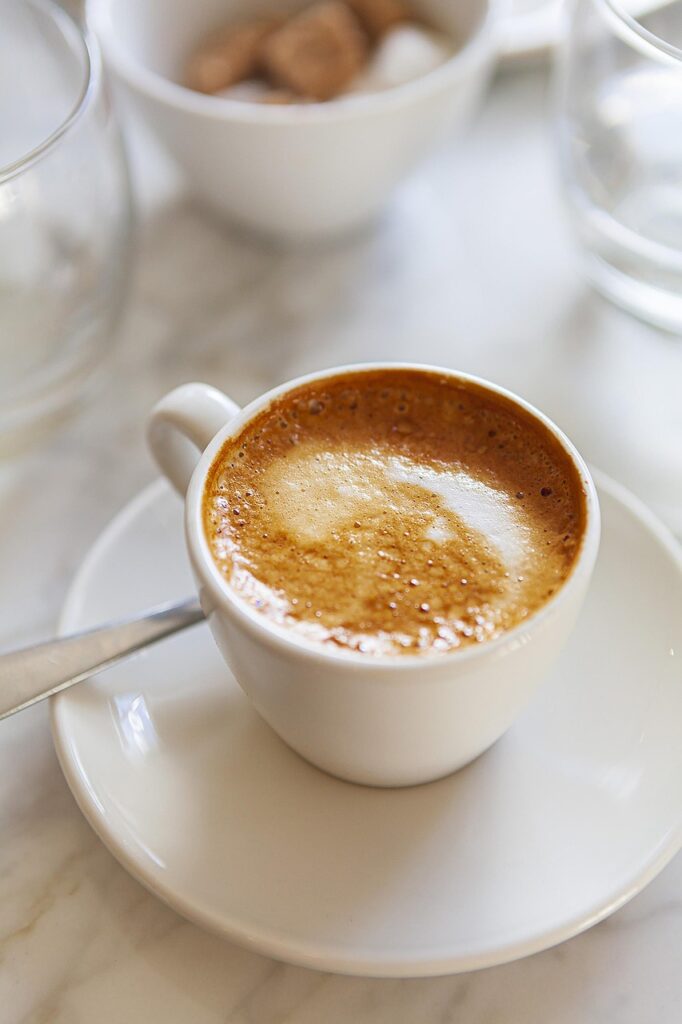
Picture of a coffee mug sitting on a table with a spoon next to it.
Creator unknown. Image found on Pixabay.com

Podcast

Process

I used the voice memo app on my iPhone to record this episode. I then uploaded it into Soundtrap to edit and added music from the site. I used AI to help make an outline and script but then changed it to how I wanted the podcast to go. It gave me a good starting point, but I ended up taking out the parts that I didn’t think were necessary and added points I wanted to make.

Attributions

Click here to read more about making the perfect latte at home!

Here are the 10 best espresso machines to buy!

Music is from Soundtrap.com. Creator unknown.

Transcript

“Welcome back to Coffee Break! Today, we’re diving into the art of making a perfect latte right in your own kitchen. By the end of this episode, you’ll know all the steps to brew a delicious latte that rivals your favorite café. Let’s get started! First, let’s gather our ingredients. You’ll need: 1 or 2 shots of Freshly brewed espresso— depending on how strong you want your coffee. Milk—choose from whichever alternative you prefer, but I use whole milk. If you want your latte flavored, you’ll need flavored sweeteners or syrups. But this is optional. Now, for equipment, make sure you have: An espresso machine, A milk frother or steam wand if you want a hot latte, And, of course, a coffee cup to enjoy your creation! Let’s start by brewing our espresso. Either use ground coffee or simply grind your fresh coffee beans and pack them into the portafilter. Then, brew 1 to 2 shots depending on your preference. Next up is frothing the milk. This step is only if you want a hot latte, if you prefer iced- then skip this step and just use cold milk! If you’re using a steam wand, submerge it just below the surface of the milk and turn it on. Aim for a temperature around 150°F for that creamy texture. If you’re using a frother, heat the milk gently before frothing. Now it’s time to combine! Pour your frothed milk over the brewed espresso slowly. For those feeling adventurous, try your hand at some latte art—just tilt your cup and pour in a circular motion! If you like a little sweetness or flavor, now’s the time to add your favorite syrups or sweeteners. Vanilla or caramel are great, classic choices! To recap: brew your espresso, froth your milk, combine them beautifully, and add flavor if you wish! Don’t be afraid to experiment with different milk types and flavors to find your perfect blend. I’d love to hear how your lattes turn out—feel free to send in your feedback or questions! And don’t miss our next episode where we’ll explore coffee brewing methods from around the world. Remember to subscribe and follow us on social media for more coffee tips! Thanks for listening! Enjoy your latte!”

Podcast Outline & Test Recording

I used AI to help generate an outline for my podcast episode, and then edited it based on how I wanted to do it! The episode will be recorded in my kitchen using my iPhone, because I will use the espresso machine for sound effects. My topic is How to Make a Latte at home. I chose this topic because I love coffee and make myself lattes almost every day.

Podcast Episode Outline: How to Make a Latte

Introduction (15 seconds) 

  • Brief welcome and introduction to the episode. 
  • Mention what listeners will learn: the steps to make a perfect latte at home. 

Ingredients and Equipment (20 seconds) 

  • List necessary ingredients: 
  • Freshly brewed espresso (1-2 shots) 
  • Milk (whole, skim, or alternative) 
  • Optional: flavored syrups or sweeteners 
  • Mention essential equipment: 
  • Espresso machine or stovetop espresso maker 
  • Milk frother or steam wand 
  • Coffee cup 

Step-by-Step Instructions (1 minute) 

  1. Brew the Espresso (15 seconds) 
  • Explain how to brew 1-2 shots of espresso. 
  • Tips for using fresh coffee beans. 
  • *Include sound of espresso being brewed.  
  1. Froth the Milk (20 seconds) 
  • Describe how to heat and froth milk using a steam wand or frother. 
  • Ideal temperature for milk (around 150°F). 
  1. Combine Espresso and Milk (15 seconds) 
  • Pour the frothed milk over the espresso. 
  • Tips for creating latte art (optional). 
  1. Add Flavor (10 seconds) 
  • Suggest adding flavored syrups or sweeteners if desired. 

Conclusion (25 seconds) 

  • Recap the steps briefly. 
  • Encourage listeners to experiment with different flavors and milk types. 
  • Invite feedback or questions from listeners. 
  • Mention the next episode topic or a call to action (e.g., subscribe, follow on social media). 

Outro Music (5 seconds) 

  • Play brief outro music as the episode concludes. 

Test Recording

Images

Site Icon

I decided to use an arrow with the name of my blog because it is simple, but still tells the viewer what the website is. I created it on Canva because it was a website I have used before, and I was slightly familiar with it. I chose to make this a PNG because that is what Canva recommended as the best way to download it.

A blue arrow with white text inside that says "Rachel's Reflections"
Designed by Rachel Oestrike

Header

I wanted to also make the header simple, but something that was cute and reflected me. I love flowers so I decided to make a simple design with a tan background and white flowers across the middle. I also used Canva to create the header and it made it very simple. I was able to place the flowers where I wanted them and mess around with the spacing. I also downloaded this as a PNG.

An image with a tan background and 4 white flowers across the middle.
Designed by Rachel Oestrike

Copyright and Attribution

License

I chose CC BY because I want others to be able to use my work and build off of it as long as they give credit to me. If I were to post educational content online, I would want everyone to be able to use it however they need. Copyright is very important because you need to give credit to whoever creates the content, and without copyright laws it would be very easy to steal others work and claim it as your own.

Ethics

There is nothing wrong with using the work of others as long as you do it ethically. It is very important to cite their work and give them credit. Make sure the creator is okay with their work being used and don’t take credit for creating it yourself.

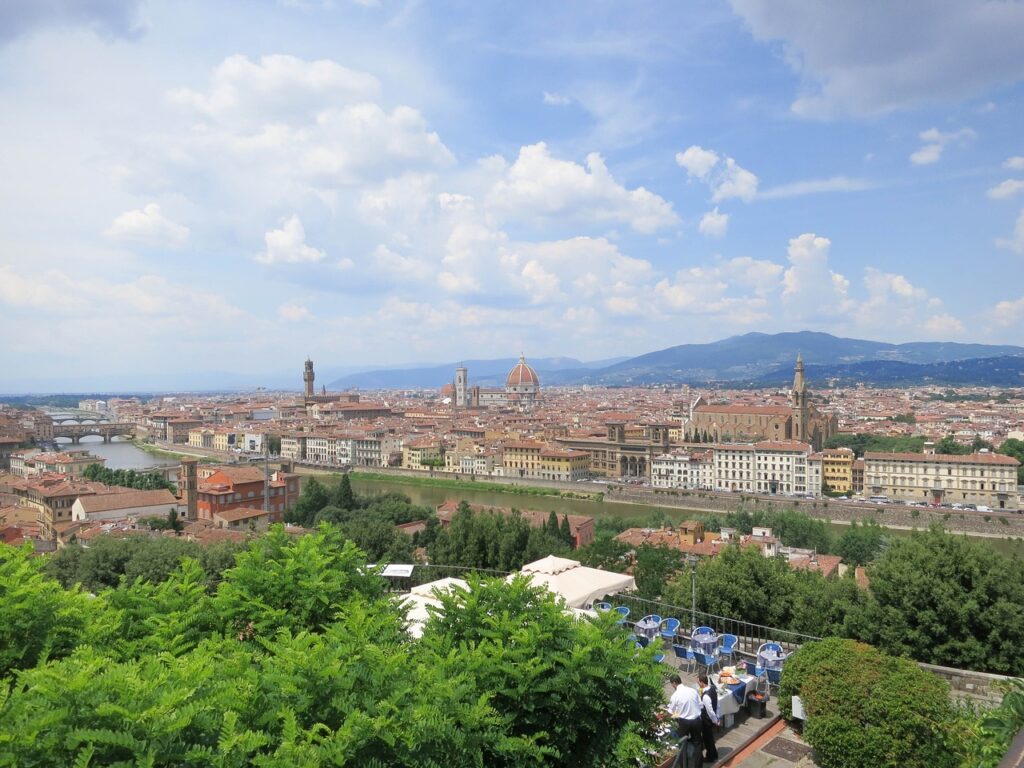
A picture of the view at Piazzale Michelangelo in Florence, Italy.
Creator unknown. Image found on Pixabay.com
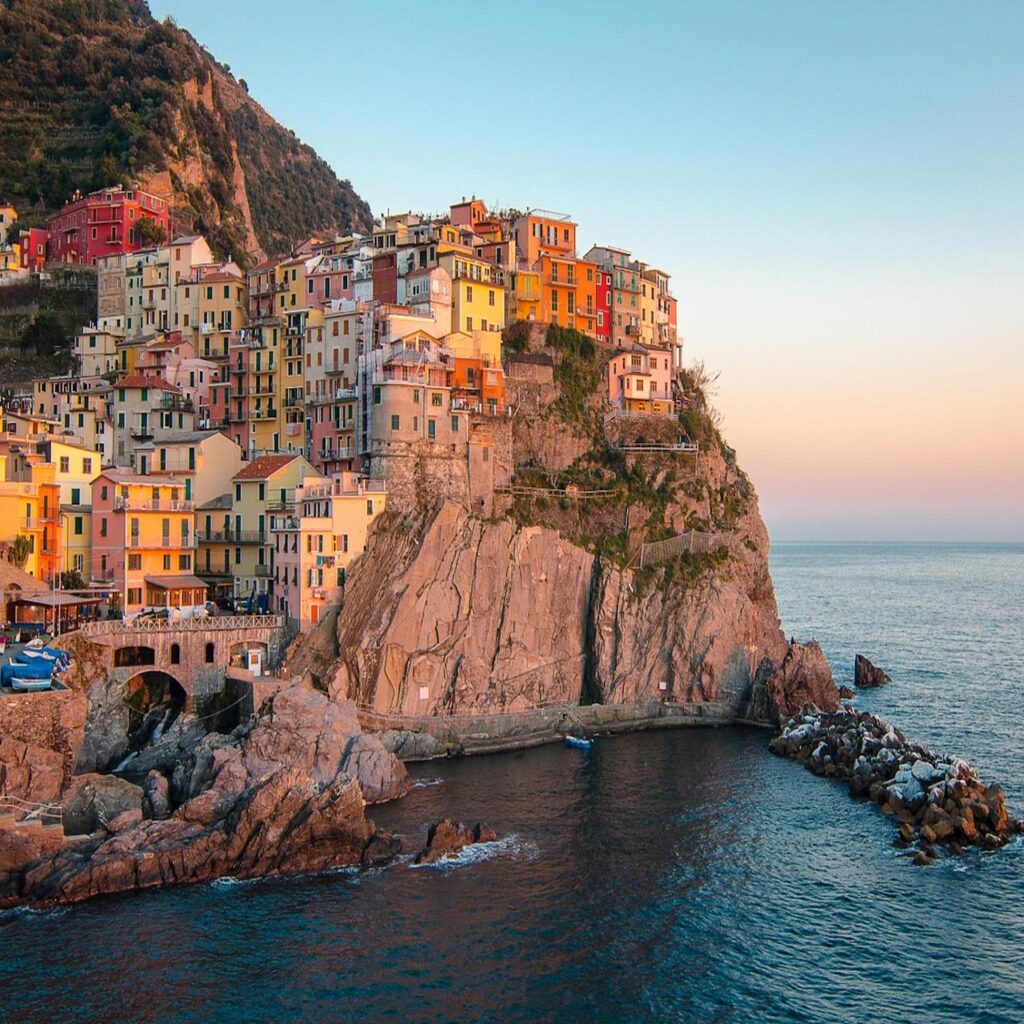
A picture of the ocean and houses in Cinque Terre, Italy.
Creator unknown. Image found on Pixabay.com

Who am I on the Web?

Domain Name

Racheloestrike.com

I chose racheloestrike.com as my domain name because I wanted it to be something that I could use after this class and possibly after college. Since it is just my name, I can use it for anything I need, and the domain name isn’t specific to anything in particular.

Choosing a Name

When choosing a domain name, it’s important to keep it simple and isn’t something you would regret later. Here is a list of how to choose the best domain name.

Myself

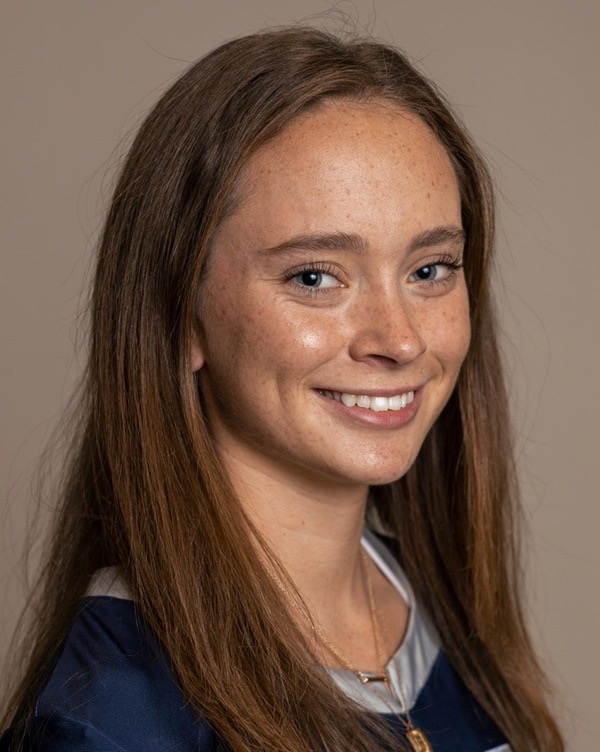
A picture of Rachel Oestrike.

css.php